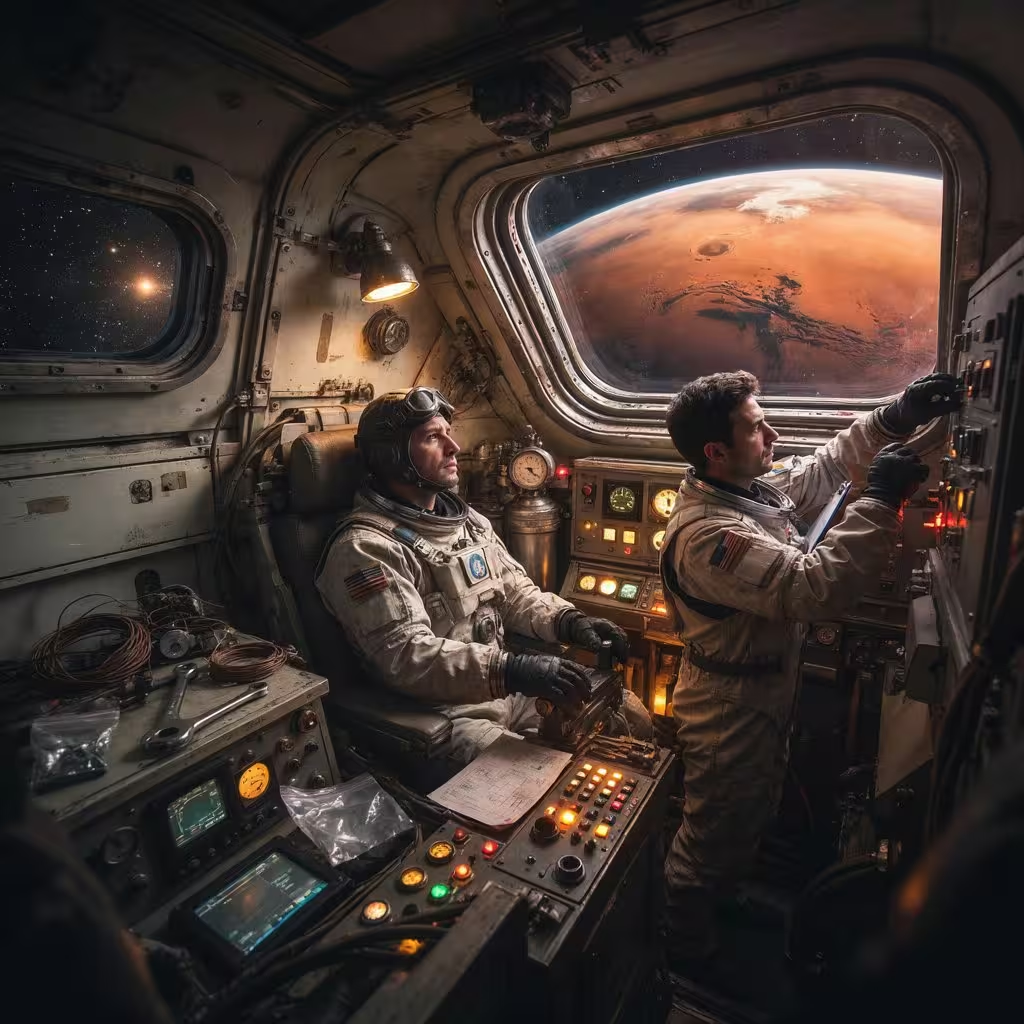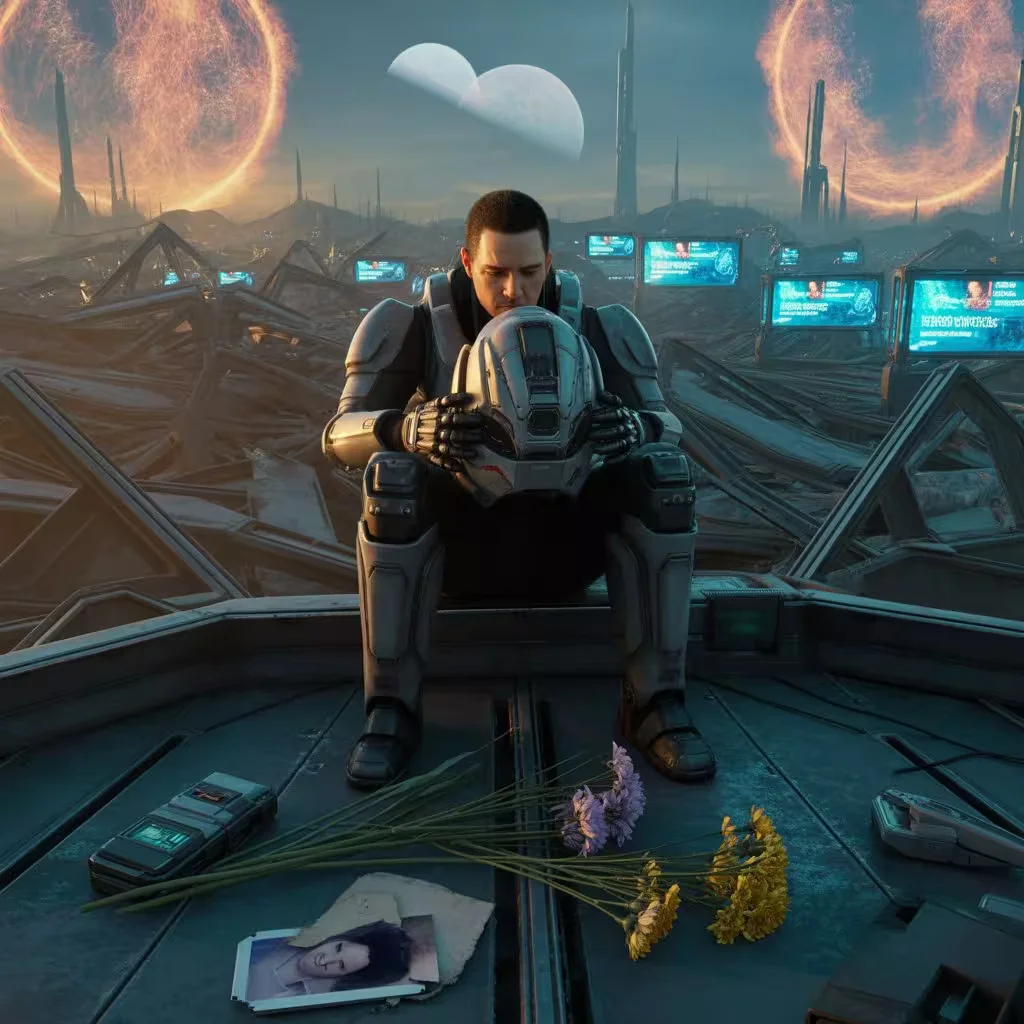
Science fiction can take readers almost anywhere. One story might send you across a galaxy filled with strange planets, powerful empires, and alien civilizations. Another might place you inside a military spaceship where soldiers prepare for their next dangerous mission.
Both stories may have spaceships, futuristic weapons, battles, and distant worlds. So, how do you tell them apart?
This is where Space Opera vs Military Sci-Fi come in. These two science fiction subgenres often look similar on the surface, but they usually tell very different kinds of stories.
Space Opera tends to focus on huge adventures, characters, politics, and conflicts that can affect entire civilizations. Military Sci-Fi puts more attention on soldiers, warfare, strategy, training, and the realities of combat.
The difference is not always clear-cut, though. Some stories happily mix both styles. Understanding what each genre focuses on makes it much easier to recognize them and decide which one you might enjoy more.
What Is Space Opera?
Space Opera is a type of science fiction built around large-scale stories and exciting adventures. The action may take place across several planets, star systems, or even an entire galaxy.
Instead of focusing only on scientific details, Space Opera usually puts its energy into the story and its characters. You might follow a young hero who becomes involved in a galactic conflict, a rebel group fighting a powerful empire, or a crew traveling through unknown parts of space.
The setting is often huge and imaginative. There may be alien species, ancient civilizations, powerful rulers, giant fleets, and mysterious worlds. The story can feel almost like a fantasy adventure, except the setting uses spaceships and futuristic technology instead of castles and horses.
Key Features of Space Opera
One of the biggest features of Space Opera is its sense of scale. The problems in the story are often much bigger than one person or one city. A decision made by a single character could change the future of an entire planet.
Space Opera also gives characters plenty of room to grow. A story may follow a hero discovering their abilities, a leader trying to protect their people, or a group of friends caught in a massive conflict.
The science does not always have to be extremely detailed. A spaceship might travel faster than light, or a fictional technology may work in a way that would not be possible today. The goal is usually to create an exciting world rather than explain every scientific detail.
Politics and relationships can also be important. A story may involve rival governments, royal families, rebellions, alliances, or conflicts between different civilizations.
Common Themes in Space Opera
Space Opera often explores big ideas through exciting adventures. Common themes include:
- Good versus evil and the struggle between powerful forces
- Freedom, rebellion, and resistance against control
- Exploration of unknown planets and civilizations
- Political power and conflicts between governments
- Friendship, loyalty, love, and personal sacrifice
- The choices individuals make during huge historical events
For example, imagine a story about a teenager who discovers that their family has a connection to an ancient galactic empire. They become involved in a rebellion that could decide the future of thousands of worlds. There may be battles along the way, but the story is also about identity, friendship, politics, and the character’s personal journey.
That would strongly fit the Space Opera style.
What Is Military Sci-Fi?
Military Sci-Fi focuses on war and the people who fight in it. The story may follow soldiers, pilots, commanders, engineers, or entire military units as they face dangerous missions.
Unlike Space Opera, which may use battles as one part of a much larger adventure, Military Sci-Fi often makes warfare one of the main subjects of the story.
The reader may learn how soldiers are trained, how missions are planned, how weapons work, and how military decisions affect the people involved. The story may also explore fear, teamwork, discipline, leadership, and the emotional cost of war.
Military Sci-Fi can take place on distant planets, inside giant spaceships, or on futuristic versions of Earth. What matters most is the strong connection to military life and conflict.
Key Features of Military Sci-Fi
Military Sci-Fi often pays close attention to combat. Battles may involve spacecraft, futuristic weapons, armored suits, drones, or ground troops.
Strategy can be just as important as action. A commander might have to decide where to move troops, how to defend a base, or how to complete a mission with limited resources.
The characters also tend to have clear roles. A story might follow a pilot flying dangerous missions, a group of soldiers protecting a colony, or a commander responsible for an entire fleet.
Another important feature is teamwork. Military characters often depend on one another to survive. A single mistake can put an entire team in danger.
Common Themes in Military Sci-Fi
Military Sci-Fi often uses war to explore serious questions about people and society. Common themes include:
- Duty and responsibility
- Loyalty to a team or organization
- Leadership and difficult decisions
- Survival under extreme conditions
- Sacrifice and the cost of war
- The emotional effects of combat
For example, imagine a story about a group of soldiers sent to defend a human colony from an alien army. The story spends a lot of time showing their training, equipment, missions, tactical choices, and struggles to survive.
That would be a strong example of Military Sci-Fi.
Space Opera vs Military Sci-Fi The Biggest Differences
Now that we understand both genres, the difference becomes easier to see. The most useful question is not simply, “Does the story have spaceships and battles?” Instead, ask what the story is mainly trying to explore.
Story Focus
Space Opera usually focuses on the larger adventure. The story may involve wars, but those wars are often connected to politics, family, friendship, exploration, or a battle between major powers.
Military Sci-Fi focuses more directly on war and military life. The story may explore what happens during a battle, how soldiers prepare for missions, and how military decisions shape the outcome.
Think of it this way: Space Opera might ask, “What happens to the galaxy?” Military Sci-Fi might ask, “What happens to the people fighting to protect it?”
Neither approach is better. They simply tell different kinds of stories.
Role of Military Conflict
Battles can be extremely important in Space Opera. Some stories may even contain enormous space battles involving hundreds of ships.
The key difference is what happens around those battles. In Space Opera, the conflict may be part of a much larger story about political change, rebellion, exploration, or personal relationships.
In Military Sci-Fi, the battle itself often receives much more attention. Readers may see how troops prepare, how commanders make decisions, and how one tactical choice changes the mission.
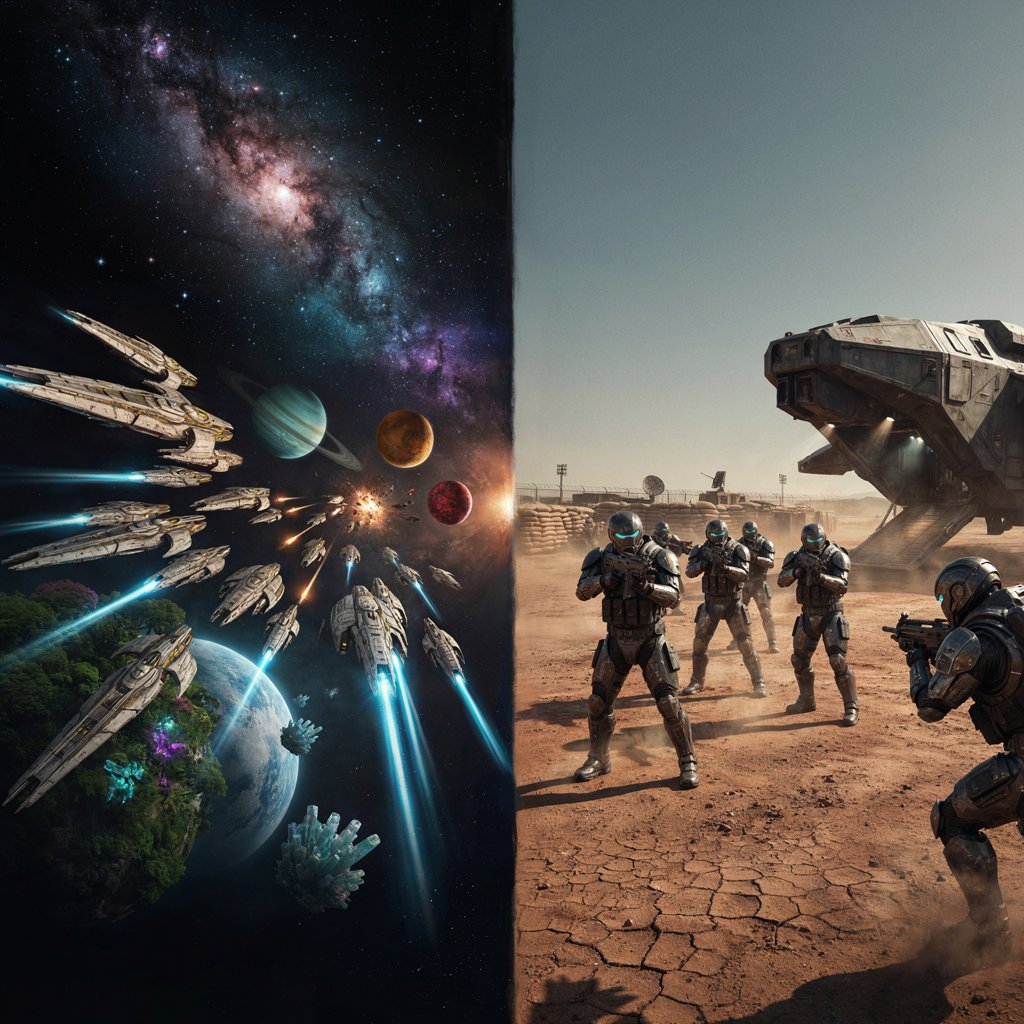
So, two books could both contain a giant space battle while still belonging to different genres. The important part is why the battle is there and how much the story focuses on it.
Characters and Their Roles
Space Opera can have almost any type of main character. You might meet explorers, rebels, politicians, royal families, smugglers, scientists, pilots, or ordinary people pulled into extraordinary events.
Military Sci-Fi usually puts military characters closer to the center. Soldiers, pilots, commanders, and military teams are common main characters.
For example, a Space Opera might follow a princess trying to save her planet while working with a group of rebels. A Military Sci-Fi story might follow the soldiers assigned to protect that princess during an invasion.
Both stories can happen in the same universe, but their character focus would be different.
Technology and Weapons
Technology exists in both genres, but it often serves different purposes.
Space Opera may use technology mainly to create an exciting setting. Faster-than-light travel, powerful spaceships, robots, alien technology, and energy weapons can help make the universe feel large and imaginative.
Military Sci-Fi usually gives technology a more practical role. Weapons, armor, spacecraft, communication systems, and other equipment may directly affect military strategy.
This is why military technology can become an important part of the story. Readers may learn how a particular weapon works, why one spaceship is better for a certain mission, or how soldiers use equipment to survive.
Tone and Storytelling Style
Space Opera often feels grand, adventurous, dramatic, and cinematic. It may move quickly between planets and introduce huge conflicts that involve millions of people.
Military Sci-Fi can feel more focused and intense. Even when the setting is enormous, the story may stay close to a small group of characters during dangerous missions.
This does not mean Space Opera cannot be serious or Military Sci-Fi cannot be exciting. Both genres can have humor, emotional moments, tragedy, and action. The main difference comes from what the story chooses to place at the center.
Where Space Opera and Military Sci-Fi Overlap
The two genres share a lot of common ground. This is one reason readers sometimes have trouble telling them apart.
Both can include futuristic weapons, massive spaceships, alien enemies, military organizations, interplanetary wars, and dangerous missions. Both can also explore survival, courage, leadership, friendship, and sacrifice.
A Space Opera might have an enormous fleet battle. A Military Sci-Fi story might take place in a universe ruled by competing galactic governments. Once these elements begin mixing, the boundary between the genres becomes less obvious.
Can a Story Be Both?
Yes. A story can absolutely be both Space Opera and Military Sci-Fi.
Imagine a novel about a massive war between two galactic powers. The main characters are military pilots, and the book includes detailed battles and military strategy. At the same time, the story explores political alliances, alien cultures, family relationships, rebellion, and the future of an entire galaxy.
That story could comfortably fit both genres.
This is common in science fiction because genres are useful labels, not strict rules. Writers often combine different styles to create richer stories.
Why the Two Genres Are Often Confused
The confusion usually comes from their shared ingredients.
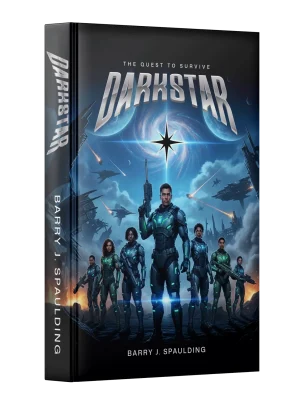
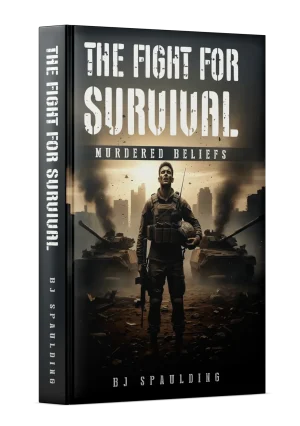
If you see a cover showing a giant spaceship, futuristic soldiers, and an alien planet, you cannot tell the genre just from the picture. You need to look at the story itself.
A simple trick is to ask what the author spends the most time exploring. If the focus is on a grand adventure involving politics, civilizations, heroes, and huge changes across space, it leans toward Space Opera.
If the focus is on soldiers, missions, tactics, military equipment, and the experience of war, it leans toward Military Sci-Fi.
Popular Examples of Space Opera and Military Sci-Fi
Looking at examples makes the difference even clearer.
Examples of Space Opera
Star Wars is one of the best-known examples of Space Opera. It includes space battles and military forces, but its stories also focus on heroes, villains, family, rebellion, politics, different planets, and the struggle for freedom.
The Expanse also combines many Space Opera elements. Its setting includes different human societies spread across the solar system, political struggles, exploration, and large conflicts.
These stories show how Space Opera can use war without making military life its only focus.
Examples of Military Sci-Fi
Starship Troopers is a famous example of Military Sci-Fi. The story places strong attention on military service, training, combat, and the experiences of soldiers.
The Forever War also uses military conflict as a central part of its story while exploring the personal and social effects of war.
These examples show that Military Sci-Fi can still explore big ideas. It simply approaches them through the experience of warfare and military life.
Examples That Blend Both Genres
Some stories refuse to stay in one category. They combine huge galactic settings with detailed military conflicts.
A story can have a galaxy-spanning war while following a small group of soldiers. It can explore politics and alien cultures while also showing detailed missions and battles.
This combination can be especially satisfying because readers get the huge scale of Space Opera and the focused intensity of Military Sci-Fi.
A Simple Way to Tell Them Apart
| Feature | Space Opera | Military Sci-Fi |
|---|---|---|
| Main focus | Grand adventure and conflict | War and military life |
| Characters | Heroes, rebels, leaders, explorers | Soldiers, pilots, commanders |
| Battles | Often part of the larger story | Usually central to the story |
| Technology | Supports the setting and story | Often important to warfare |
| Tone | Epic and adventurous | Tactical and combat-focused |
| Main themes | Power, freedom, politics, adventure | Duty, survival, sacrifice, war |
The easiest rule to remember is that the Space Opera is usually about the big story, while Military Sci-Fi is usually about the war and the people fighting it.
Of course, there are exceptions. A Space Opera can be heavily focused on battles, and a Military Sci-Fi story can explore politics and personal relationships. The categories overlap because science fiction itself is flexible.
Which Genre Is Right for You?
Your choice really depends on what you enjoy reading.
If you like huge worlds, strange planets, political struggles, exploration, dramatic heroes, and stories that feel larger than life, Space Opera may be the better choice.
If you prefer tactical battles, military missions, soldiers, leadership, survival, and stories that examine the challenges of war, Military Sci-Fi may be more appealing.
You do not have to choose only one, either. If you enjoy both adventure and combat, stories that blend the two genres can give you the best of both worlds.
A good way to choose your next book is to look beyond its genre label. Read the description and ask what the story seems to focus on. Does it promise a journey across a galaxy, or does it follow a military unit on dangerous missions? That small difference can tell you a lot.
Final Thoughts
Space Opera and Military Sci-Fi may share spaceships, aliens, futuristic weapons, and massive battles, but their main focus is usually different.
Space Opera is generally about grand adventures, huge conflicts, fascinating worlds, and characters caught in events that can change entire civilizations. Military Sci-Fi is more focused on warfare, military life, strategy, soldiers, and the personal cost of combat.
The line between them is not always sharp. Some of the most interesting science fiction stories combine both styles. A story can give you a massive galaxy-spanning adventure while also taking you deep into the lives of soldiers fighting the war.
So, the next time you pick up a science fiction book, look past the spaceships and explosions. Ask what the story really cares about.
If it is mainly exploring a vast universe and an epic adventure, you are probably looking at Space Opera. If it is mainly exploring war and the people who fight it, Military Sci-Fi is likely the better label.
And if it does both, you may have found a story that proves the best science fiction does not always need to fit neatly into one box.