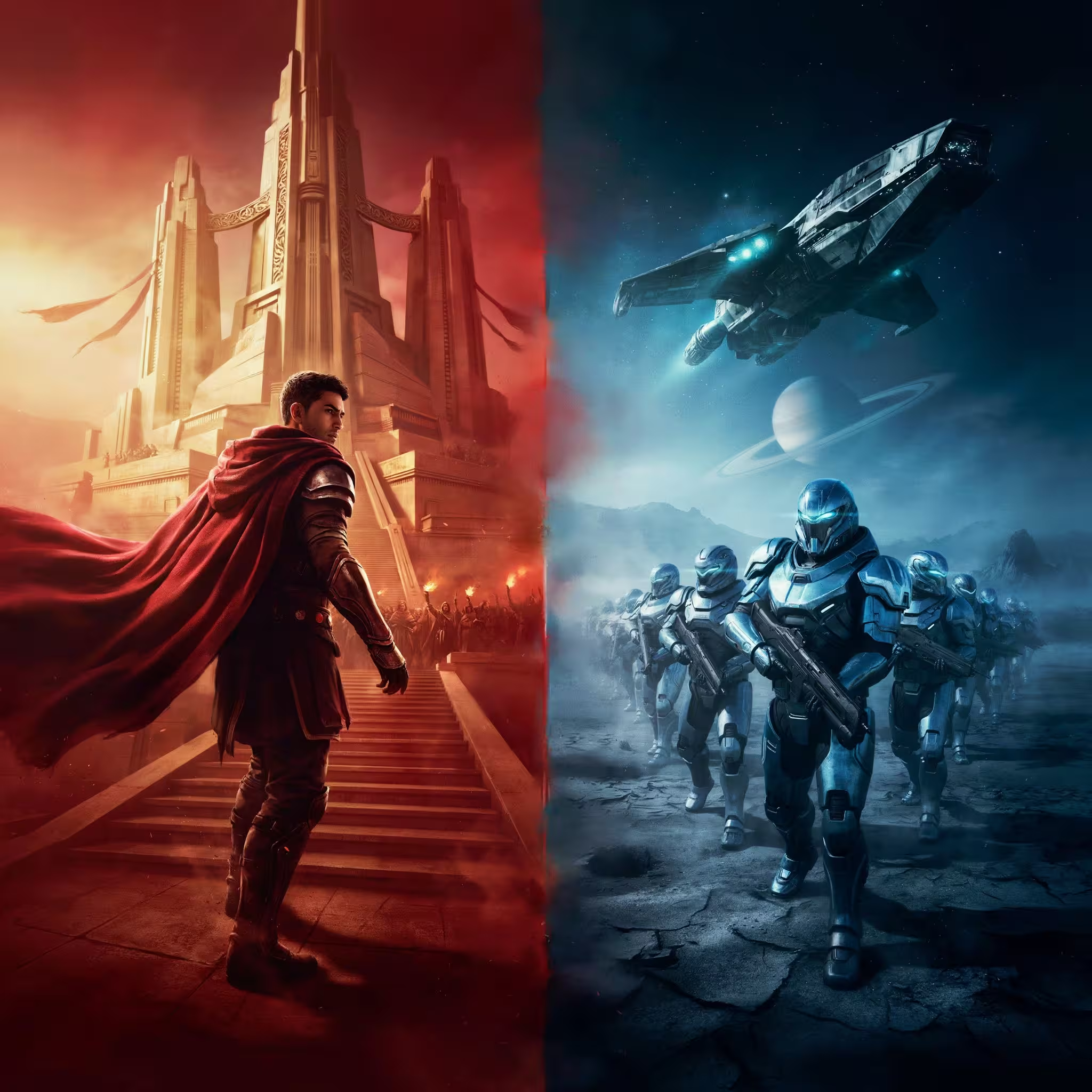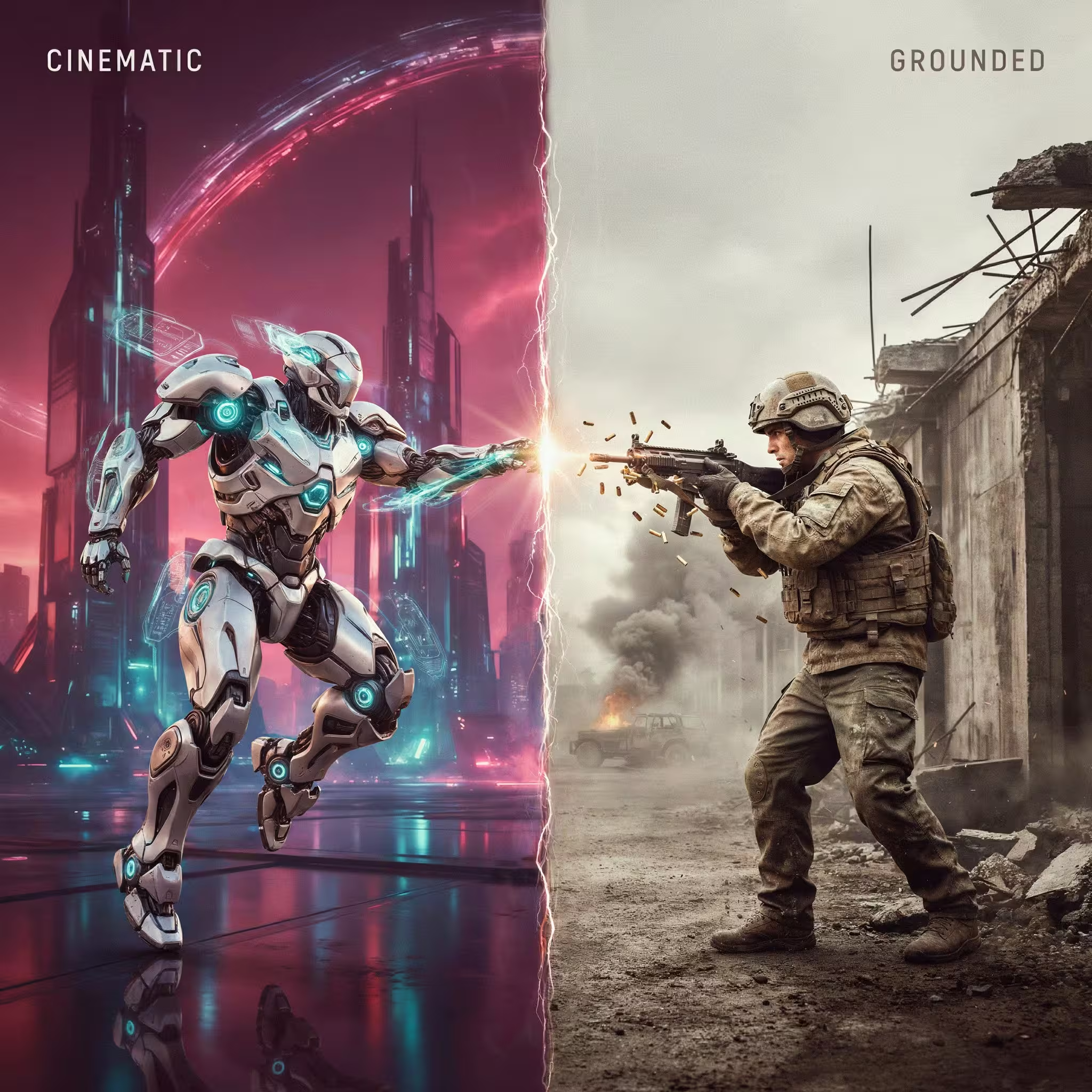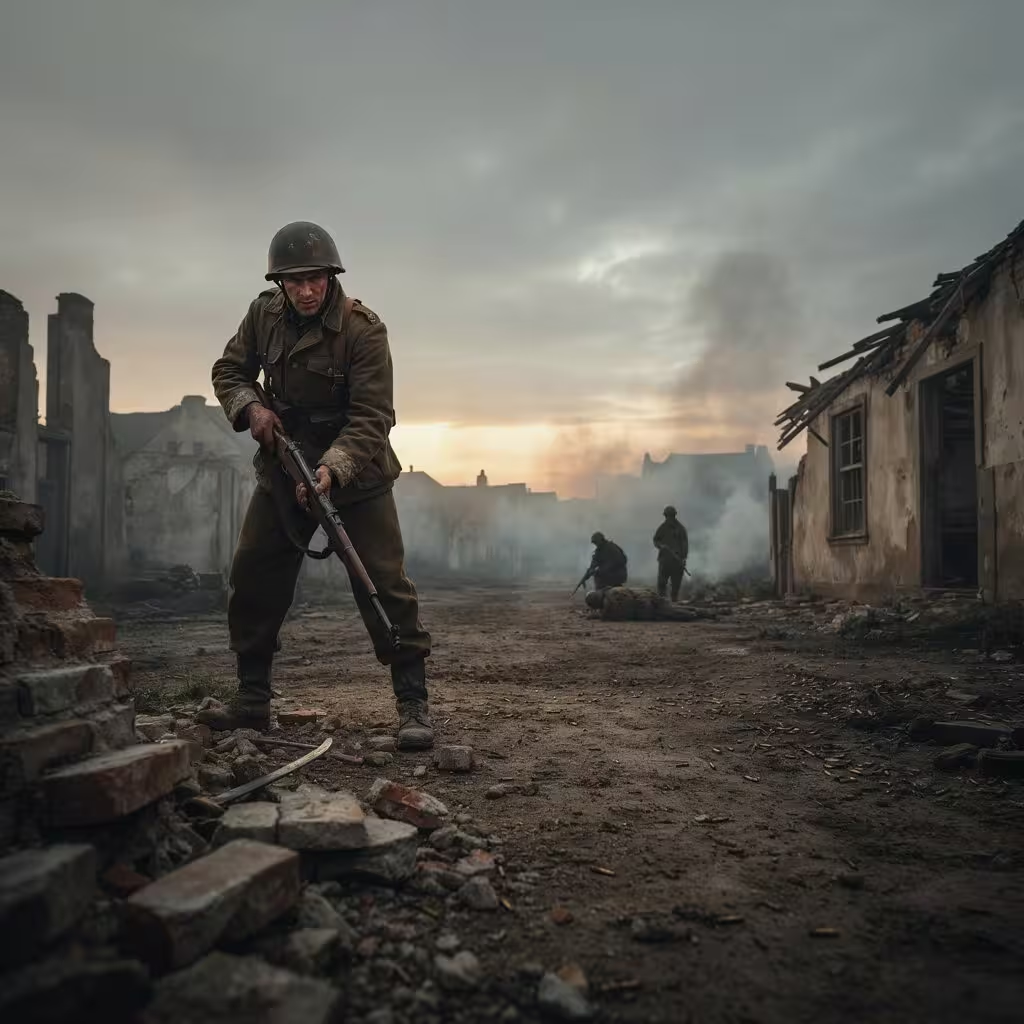
War stories often begin with brave soldiers fighting to protect their country, their friends, or their families. Readers may see them as heroes who stand against danger and defend what they believe is right. But what happens when those same soldiers begin to hurt innocent people, ignore their values, or enjoy the power that violence gives them?
War can change people in ways they never expected. Fear, anger, loss, and the pressure to survive can push soldiers toward choices they once believed were wrong. Some struggle to hold on to their humanity, while others slowly lose sight of it. This change creates one of the most powerful questions in war literature: Can someone who fights for a good cause still become a monster?
Through unforgettable characters and difficult moral choices, war fiction explores how ordinary people can lose their sense of right and wrong. These stories remind readers that the greatest danger of war may not always come from the enemy. Sometimes, it comes from what people become while fighting.
What Is Moral Collapse in War Fiction?
Moral collapse happens when a person gradually loses the ability or willingness to tell right from wrong. Someone who once cared deeply about honesty, kindness, and fairness may begin to ignore those values. In war, this change can happen when violence becomes part of everyday life and survival starts to matter more than everything else.
Moral Collapse in War Fiction explores this change through soldiers who face situations that test their beliefs. For example, imagine a soldier who joins the army hoping to protect innocent people.
At first, he refuses to harm anyone who poses no threat. After months of fighting, however, he begins to see every stranger as a possible enemy. Eventually, he may hurt someone without checking whether that person is dangerous.
This change does not happen to every soldier, and hardship does not automatically turn someone cruel. Instead, war fiction examines the choices, pressures, and beliefs that can lead a character toward moral failure.
Understanding the Loss of Right and Wrong
People usually develop their moral beliefs long before they enter a war. They learn to respect others, keep promises, and understand that hurting innocent people is wrong. War can challenge these beliefs by placing people in frightening situations where every choice seems dangerous.
A soldier might steal food from a family because his unit has gone hungry. Another might hide the truth about an attack to protect a friend. At first, these choices may seem like desperate responses to difficult circumstances. However, repeated actions can change how a person thinks. A soldier who once felt guilty about stealing may eventually stop caring about the people he harms.
War fiction shows how small compromises can lead to larger ones. The real danger begins when a character stops questioning those choices.
How War Challenges a Soldier’s Moral Code
A moral code helps people decide how to behave, even when doing the right thing feels difficult. Soldiers may enter war believing they should protect civilians, follow lawful orders, and treat prisoners humanely. Yet fear, pressure from commanders, and the desire to fit in can make these principles harder to follow.
Imagine a soldier whose fellow troops laugh at the suffering of a captured enemy. He may feel uncomfortable but remain silent because he fears becoming their next target. If he continues to accept such behavior, he may slowly begin to see cruelty as normal.
These moments create tension in war fiction because readers can see the character’s choices taking shape. The question is not only whether the soldier knows what is right, but whether he has the courage to act on that knowledge.
How War Turns Soldiers into Monsters
War rarely offers people the safety and comfort they enjoy in ordinary life. Soldiers may face constant danger, lose close friends, and witness terrible acts. Under these conditions, some begin to believe that kindness makes them weak or that survival excuses almost any action.
Authors often use this pressure to show how a person changes over time. A soldier who once cared about strangers may become suspicious of everyone. Someone who once defended the helpless may start treating vulnerable people as obstacles. The transformation can be frightening because the character may still believe he is doing the right thing.
The Pressure to Survive at Any Cost
Survival is a powerful instinct. When people believe they might die at any moment, they often focus on escaping danger rather than thinking about the wider effects of their actions. In war fiction, this instinct can explain why soldiers make choices they would never consider in peaceful conditions.
For instance, a soldier may abandon an injured companion because he fears that stopping will get the entire group killed. Such a decision may involve a terrible conflict between personal loyalty and the need to survive. However, if the soldier later begins abandoning others whenever helping them becomes inconvenient, his actions may reveal a deeper moral decline.
Writers use these situations to explore the difference between a desperate decision and a lasting change in character. A single painful choice does not define someone forever, but repeated selfish actions can slowly reshape a person’s values.
How Obedience and Authority Can Override Conscience
Military organisations depend on discipline, teamwork, and clear orders. These qualities can help soldiers work together in dangerous situations. However, war fiction also examines what happens when people follow commands without considering whether those commands are lawful or morally acceptable.
A soldier might receive an order to threaten an unarmed civilian. He may know the action is wrong but obey because he fears punishment or believes his commander knows best. If everyone around him follows the order, refusing may seem even harder.
This does not mean every soldier who follows an order loses his humanity. It means that obedience can become dangerous when people stop accepting responsibility for their actions. War stories challenge readers to consider an important truth: a person’s position or authority does not automatically make every decision right.
When Violence Becomes Normal
Repeated exposure to violence can change how characters respond to suffering. At the beginning of a war story, a soldier may feel sick after witnessing a death. Later, he may react with silence or emotional distance because he has seen so much pain.
Emotional distance can sometimes help a person keep functioning under extreme pressure. It does not automatically mean that someone has become cruel. The danger appears when a soldier stops recognizing the humanity of others and begins to treat suffering as something amusing or unimportant.
A character who once hesitated before hurting an enemy might eventually harm someone without a second thought. Through this gradual shift, war fiction shows how cruelty can grow when people repeatedly ignore the suffering of others.
The Psychological Struggle Behind a Soldier’s Moral Decline
War affects more than a soldier’s body. It can also change how the soldier understands the world, trusts other people, and views himself. Characters may struggle with fear, grief, anger, and memories they cannot escape.
These experiences help explain why soldiers behave differently after living through violence. However, understanding their pain does not mean excusing every harmful action they take. Strong war fiction allows readers to recognise a character’s suffering while still asking whether that character has crossed a moral line.
Fear, Trauma, and the Need for Self-Preservation
Fear can make even a brave person feel powerless. Soldiers may become constantly alert, expecting danger around every corner. They may struggle to trust strangers or react aggressively when they believe someone threatens them.
For example, a soldier who survives an ambush might later mistake an innocent movement for an attack. His fear may help explain his reaction, but it does not make every response justified. The story becomes more complex when he refuses to consider that he could be wrong.
Some fictional soldiers respond to trauma by withdrawing from others, while others become angry or reckless. These different reactions show that suffering does not produce the same outcome in everyone. A character’s choices, relationships, and willingness to face the truth all influence the path he takes.
Guilt, Shame, and the Loss of Humanity
Guilt appears when people believe they have done something wrong. Shame goes further by making them feel that something is wrong with who they are. In war fiction, these feelings can shape a soldier’s future choices.
A soldier who harms an innocent person may feel deep guilt afterward. He might try to make amends, protect other civilians, or admit what happened. Another soldier may refuse to face his guilt and instead blame the victim, his commander, or the enemy.
Blaming others may offer temporary relief, but it can also make further cruelty easier. When a character stops accepting responsibility, he may lose the chance to learn from his mistakes. His struggle becomes not only a battle against an external enemy but also a fight to recognize his own humanity.
How War Fiction Portrays the Transformation from Hero to Monster
War fiction often makes moral collapse gradual rather than sudden. Authors may begin with a character who shows courage, loyalty, and kindness. Then they place that character in situations where each decision makes the next one more difficult.
This approach helps readers understand that a character’s downfall rarely comes from one moment alone. It may develop through fear, group pressure, personal loss, and repeated excuses for harmful behavior.
The Gradual Shift from Duty to Cruelty
A soldier may begin by following rules and protecting those who cannot defend themselves. After losing friends, he might decide that the enemy deserves no mercy. Later, he may treat every person on the opposing side as guilty, including people who have never harmed him.
Each step changes the meaning of duty. The soldier may still claim to protect his comrades, but his actions may now include revenge or unnecessary violence. He uses the language of loyalty to defend behavior that no longer serves the values he once believed in.
Readers can recognize this shift by watching what the character does when nobody forces him to act. Does he still protect the vulnerable? Does he question cruel orders? Does he admit when he is wrong? These moments reveal more about his character than his words alone.
The Enemy Within: When Soldiers Lose Their Sense of Identity
War can divide a person’s identity. A soldier may think of himself as a loving parent, a loyal friend, and a protector at home, yet behave cruelly on the battlefield. He may struggle to understand how both versions of himself can exist.
Some characters try to separate their actions from their identity. They tell themselves that the battlefield follows different rules or that their behavior does not reflect who they truly are. Others begin to believe they have become the very thing they once hated.
This inner conflict makes war fiction especially powerful. The enemy is no longer only the person standing across the battlefield. It is also the fear, hatred, and desire for revenge growing inside the soldier.
Notable Examples of Moral Collapse in War Fiction
Classic war literature gives readers several ways to understand the relationship between violence and human behavior. Some works focus on soldiers who lose their moral direction, while others examine how war destroys innocence or reveals the darkness already present in people.
The following examples explore related themes, although they do not all portray the same kind of soldier or moral transformation.
Heart of Darkness: The Darkness Within Human Nature
Joseph Conrad’s Heart of Darkness follows Marlow, a sailor who travels along the Congo River and learns about Kurtz, a European agent whose power has grown far beyond ordinary limits. Kurtz begins with ideas about bringing progress to others, but his actions reveal the terrible cruelty that can emerge when a person gains power without meaningful restraint.
Although the book is not a conventional battlefield war novel, it explores themes closely connected to war fiction. Kurtz shows how people can use noble language to hide selfish desires and justify violence. His story also raises questions about what happens when social rules no longer hold someone accountable.
Through Kurtz, readers see that people do not always become cruel because someone orders them to do so. Sometimes, they become cruel when they believe nobody can stop them.
The Things They Carried: The Emotional Cost of War
Tim O’Brien’s The Things They Carried explores American soldiers serving in the Vietnam War. The book examines the physical objects they carry as well as their fear, grief, guilt, and memories.
Its characters are not simply brave heroes or cruel monsters. They are complicated people who struggle with the pressure of combat and the emotional weight of their experiences. Their stories show how shame, fear, and loyalty can influence decisions, sometimes leading to actions that remain difficult to understand.
The book also demonstrates that the effects of war can continue long after the fighting ends. A soldier may leave the battlefield but continue carrying painful memories and unanswered questions. This emotional complexity helps readers understand the human cost of war without reducing every soldier to a single label.
All Quiet on the Western Front: The Destruction of Innocence
Erich Maria Remarque’s All Quiet on the Western Front follows Paul Bäumer, a young German soldier fighting in World War I. Paul and his classmates enter the war with ideas shaped by patriotic speeches and adult expectations. The reality of combat soon challenges everything they believed.
As Paul witnesses death, fear, and suffering, the distance between his old life and his new reality grows. War forces him to focus on survival and makes it harder for him to imagine a peaceful future. His experience reveals how violence can rob young people of their innocence and emotional security.
Unlike a story focused on a soldier becoming deliberately cruel, Paul’s journey highlights the damage war can cause even to people who struggle to preserve their humanity. His story reminds readers that war can destroy lives without turning every victim into a villain.
Are Soldiers Responsible for Their Actions During War?
One of the hardest questions in war fiction is how much responsibility a soldier carries for actions committed under extreme pressure. Soldiers may face frightening choices, strict commands, and situations where refusing an order could place their lives or the lives of others in danger.
These pressures matter, but they do not erase the difference between explaining an action and justifying it. A thoughtful story considers both the conditions surrounding a decision and the harm that decision causes.
The Conflict Between Following Orders and Doing What Is Right
Following orders can help soldiers work as a team, but obedience does not remove personal responsibility. A soldier may face a serious conflict when a commander demands an action that would harm innocent people or violate the laws of war.
War fiction explores what happens when a character must choose between protecting himself and standing against wrongdoing. Some soldiers speak up, refuse unlawful orders, or try to protect civilians. Others remain silent because they fear punishment or rejection.
These choices can carry real risks, which makes them difficult to judge from a comfortable distance. Still, the stories remind readers that authority should never be treated as proof that an action is right.
Understanding a Soldier’s Actions Without Excusing Them
Readers can understand why a soldier acts cruelly without deciding that the cruelty is acceptable. A character may have lost friends, suffered terrible fear, or experienced years of violence. These experiences help explain his behavior, but they do not automatically excuse the suffering he causes.
War fiction becomes more meaningful when it allows both truths to exist. A soldier can be a victim of war and still harm others. He can deserve compassion for his pain while also needing to answer for his choices.
This balanced view prevents readers from dividing every character into completely good or completely evil groups. It encourages a deeper question: What could this person have done differently, and what might help prevent similar harm in the future?
Why Moral Collapse Matters in War Fiction
Stories about moral decline help readers understand that war changes more than borders, governments, and armies. It can also challenge people’s beliefs, damage relationships, and change how they treat others.
By following soldiers through difficult decisions, authors reveal how fear, hatred, and the desire for power can weaken a person’s values. These stories also show that people can resist those pressures, protect others, and take responsibility even in dangerous circumstances.
Challenging Traditional Ideas of Heroism
Traditional war stories sometimes present heroes as fearless fighters who always know what to do. More complex stories show that courage involves more than winning battles or obeying commands.
A soldier may show real bravery by refusing to harm an innocent person, admitting a mistake, or helping an injured enemy. Such choices may not bring medals or public praise, but they reveal a commitment to human dignity.
War fiction challenges readers to look beyond appearances. A character’s uniform, reputation, or battlefield success does not automatically make him a hero. What matters is how he treats others, especially when doing the right thing costs him something.
What These Stories Reveal About Human Nature
Stories about war remind us that people are shaped by their surroundings, but they are not always controlled by them. Fear and pressure can influence decisions, yet people can still question their actions and choose a different path.
The most important lesson is not that everyone will become cruel in difficult circumstances. It is that harmful behavior becomes easier when people stop questioning it, ignore the suffering of others, or believe that their goals excuse every action.
By exploring these patterns, war fiction encourages readers to value empathy, accountability, and moral courage. These lessons matter far beyond the battlefield because people face smaller versions of these choices in everyday life.
Conclusion
A soldier does not become a monster simply by feeling afraid, struggling with trauma, or making one painful mistake. Moral collapse develops when harmful choices become a pattern and a person stops caring about the suffering those choices cause.
Moral Collapse in War Fiction shows how war can challenge a person’s beliefs and reveal the dangers of unchecked hatred, blind obedience, and revenge. Through characters such as Kurtz, the soldiers in The Things They Carried, and Paul Bäumer, readers encounter different ways that violence can change human lives.
These stories do not offer easy answers, and that is what makes them valuable. They ask readers to look beyond the labels of hero and villain and consider the choices that shape a person’s character. Most importantly, they remind us that even in the darkest circumstances, protecting human dignity and accepting responsibility still matter.