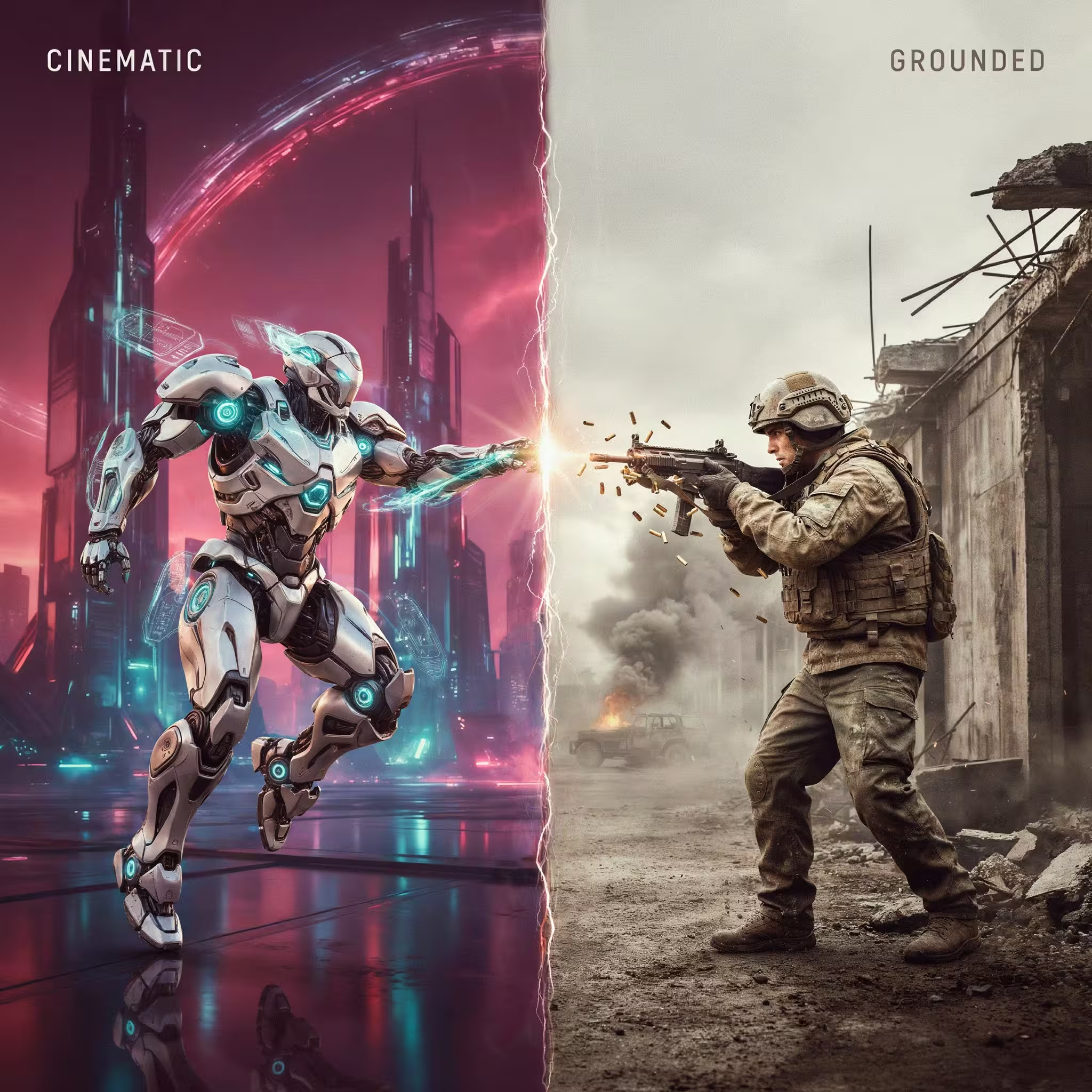
Watch a science-fiction battle, and you might see soldiers charging across a battlefield, spaceships turning sharply through the sky, and one brave hero defeating an entire enemy force. The action looks exciting, clean, and easy to understand. But real combat is nothing like that.
Real war is messy. Soldiers get tired. Plans change. Communication can fail. Equipment breaks. Sometimes people spend hours waiting without knowing what will happen next. Even the most advanced technology cannot remove fear, confusion, or human mistakes.
This difference matters when we look at science-fiction stories. Writers and filmmakers often change the rules of combat to make a story faster and more exciting. That is not always a bad thing. Sci-fi is fiction, after all. But once you understand how realistic warfare works, some famous battle scenes start to look very different.
So, what does Hollywood get wrong about war? And what can sci-fi creators learn from real combat?
What Hollywood Combat Usually Looks Like
Fast Fights, Clear Enemies, and Easy Victories
Hollywood combat usually moves quickly. Characters run into battle, exchange fire, defeat their enemies, and move on to the next scene. The audience always knows who is winning and who is losing.
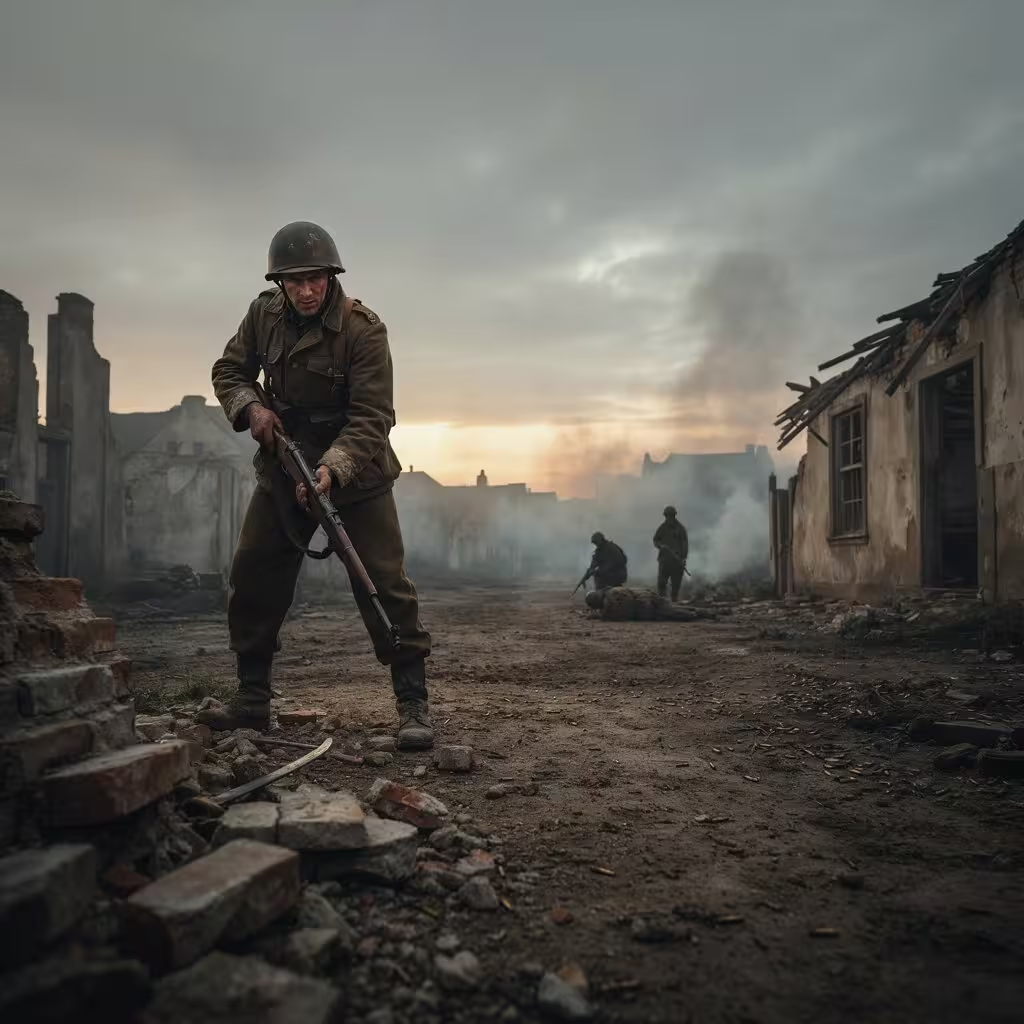
Real combat rarely offers that kind of clarity. A battlefield can be filled with smoke, loud sounds, broken equipment, poor visibility, and incomplete information. Soldiers may not even know exactly where friendly or enemy forces are.
Fiction also tends to divide combat into simple victories. A hero completes a mission, destroys the enemy weapon, and suddenly the battle is over. In reality, one successful action does not necessarily end a conflict. Battles depend on many people working together, along with supplies, planning, intelligence, and support.
The Hero Who Never Seems to Get Tired
Another common Hollywood idea is the unstoppable fighter. A character may run, shoot, dodge explosions, and fight for hours without needing much rest.
Real people have limits. Running while carrying heavy equipment uses a lot of energy. Stress can make people tired even faster. Lack of sleep can also affect attention, memory, and decision-making.
That does not mean real soldiers are weak. Quite the opposite. Training helps people work under difficult conditions. But training does not turn humans into machines. A realistic combat story should remember that even highly trained people need food, water, sleep, medical care, and time to recover.
How Real Combat Is Different
Real War Is Often Slow, Confusing, and Unpredictable
One of the biggest differences between movies and reality is the amount of waiting. Real military operations can involve long periods of preparation, observation, movement, and uncertainty before a major confrontation happens.
A movie cannot spend 30 minutes showing someone waiting for information. It would not make very exciting entertainment. As a result, filmmakers often remove these slower parts.
But those parts are important. A commander may have to make a decision without knowing everything that is happening. A plan that looked perfect on paper may stop working when conditions change.
This is one reason battlefield tactics are more complicated than they appear on screen. Success does not always come from being the strongest. It can depend on timing, information, teamwork, terrain, and the ability to react when something unexpected happens.
Fear, Stress, and Fatigue Change Everything
Fear is another major part of real combat that movies sometimes reduce to a dramatic facial expression or a short speech.
In a dangerous situation, the human body reacts automatically. A person’s heart rate can rise, attention can narrow, and thinking can become harder. Exhaustion makes these problems worse.
That is why realistic war stories often show characters struggling with stress and uncertainty instead of acting perfectly calm all the time.
A good sci-fi story can use this human side of combat to make its characters more believable. A futuristic soldier might have advanced equipment, but the person wearing it can still be frightened, confused, exhausted, or worried about the people around them.
Technology Helps, But It Does Not Make War Easy
Science fiction loves advanced technology. We see laser weapons, powerful armor, autonomous machines, intelligent computers, and incredible spacecraft.
Technology can certainly change warfare, but new tools do not magically solve every problem. Every system has limits. Weapons need energy. Vehicles need maintenance. Sensors can fail. Computers can make mistakes. Equipment can be damaged.
Even a highly advanced military force would still need people and systems to keep everything working.
This is why military logistics matters so much. An army cannot fight effectively if it cannot move supplies, repair equipment, communicate, and care for injured personnel.
The Biggest Ways Sci-Fi Gets War Wrong
One Soldier Cannot Usually Change the Entire Battle
The lone hero is one of the most popular ideas in action movies. One person enters a dangerous place, defeats dozens of enemies, destroys the main target, and saves everyone.
It makes for a great story, but real military operations usually depend on groups rather than one super-soldier. Different people have different jobs, and success often comes from coordination.
A soldier might be highly skilled, but they still depend on other people for information, supplies, transportation, medical support, and communication.
This is also why combat realism does not mean making every scene slow or boring. A story can still have a powerful hero while showing that the hero is part of a larger team.
Armies Need More Than Weapons
Movies often focus on weapons because weapons are visually exciting. They rarely show the huge support system needed to keep an army operating.
A real force needs much more than guns or vehicles. It needs food, water, fuel, ammunition, spare parts, transportation, communications equipment, medical services, and people who can repair damaged systems.
Imagine a futuristic army with amazing combat vehicles but no way to recharge them. Those vehicles may be impressive for a short time, but eventually they become useless.
That simple example shows why logistics can decide whether a military force can continue operating.
Space Battles Would Not Look Like Dogfights
Science fiction often treats spacecraft like fighter planes. They turn sharply, chase each other, fly in formation, and attack from behind.
The problem is that space does not work like Earth’s atmosphere. There is no air pushing against a spacecraft in the same way. Movement, acceleration, visibility, distance, and heat management would create very different challenges.
Realistic space warfare would likely require filmmakers to think carefully about how vehicles move and detect one another. A spaceship would not simply behave like a jet with wings removed.
Of course, science fiction can choose different rules. The important thing is consistency. If a story establishes a certain technology or physical rule, its battles should generally follow that rule.
Futuristic Armor Would Not Make Soldiers Invincible
Powerful armor sounds like the perfect answer to battlefield danger. Put a soldier inside a strong suit, give them advanced weapons, and they become almost impossible to stop.
But armor always involves trade-offs. More protection can mean more weight, more energy use, reduced movement, or greater complexity.
Even extremely advanced armor could have weak points or limits. It could run out of power, suffer damage, or become difficult to repair.
Good science fiction does not need to make armor useless. Instead, it can ask a better question:
What problems would this technology solve, and what new problems would it create?
Communications and Information Would Matter More Than Most Movies Show Many fictional battles seem to happen with everyone knowing exactly what to do. Real operations can be much less certain.
Information is extremely valuable. Knowing where people, vehicles, and hazards are can affect decisions. So can knowing what information is missing.
Modern and future forces would rely heavily on sensors, communication systems, surveillance, and other forms of information gathering. If those systems stop working, the situation can change quickly.
That makes communication failures an interesting storytelling tool. Instead of simply making an enemy stronger, a story can create tension by taking away reliable information.
Why Sci-Fi Keeps Using Unrealistic Combat
Realistic War Is Harder to Make Entertaining
The simple reason is that movies are designed to entertain.
A realistic battle might involve long periods of waiting, careful planning, confusion, and small decisions. That can be fascinating in real life, but it may not work well if shown exactly as it happened.
Hollywood speeds things up. It combines events, gives characters clearer goals, and creates dramatic moments that might not happen so neatly in reality.
That is not necessarily a failure. It is part of storytelling.
Audiences Need to Understand What Is Happening
Imagine watching a battle where nobody knows where the enemy is, characters constantly lose communication, and the camera shows only confusing movement.
That might be realistic, but it could also leave viewers wondering what they are supposed to understand.
Filmmakers simplify combat so audiences can follow the story. Heroes get clear objectives. Enemies become easier to identify. Battles have visible turning points.
In other words, Hollywood often sacrifices some realism for clarity.
Science Fiction Is About Ideas as Much as Accuracy
Sci-fi does not exist only to predict the future. It also lets writers explore big questions.
What happens if machines become better at fighting than humans? What happens when a government controls powerful weapons? Could technology make war easier to start? What would soldiers feel if they fought on another planet?
These questions can matter more than perfect military accuracy.
A story can break the rules of real warfare and still be meaningful. The key is understanding that the story is making a creative choice.
When Hollywood Gets Combat Surprisingly Right
The Best Sci-Fi Shows the Human Cost of War
Some science-fiction stories understand that war is not just about explosions and victories. It is also about people.
Characters may lose friends, struggle with difficult decisions, or discover that winning one battle does not solve the larger problem. These details can make fictional wars feel much more believable.
Showing consequences also prevents combat from becoming nothing more than a visual spectacle.
Realistic Details Can Make Fiction More Powerful
Small details can make a huge difference.
A character who worries about running out of supplies feels more believable. A damaged vehicle that needs repair feels more believable. A tired team struggling to communicate feels more believable.
These details do not have to dominate the story. Even a few realistic touches can make a futuristic battle feel grounded.
The best writers often use realism as a foundation rather than a cage.
Real Combat vs Hollywood Combat: A Quick Comparison
Here is a simple way to see the difference:
| Hollywood Combat | Real Combat |
|---|---|
| Battles are fast and easy to follow. | Combat can be slow, confusing, and unpredictable. |
| Heroes fight for long periods without slowing down. | Fatigue, stress, and exhaustion can affect performance. |
| Weapons appear to solve most problems. | Supplies, repairs, communication, and planning are also essential. |
| One hero can sometimes decide the entire battle. | Military operations usually depend on teams and support systems. |
| Spacecraft behave much like fighter jets. | Combat in space would involve very different movement and physical conditions. |
| Advanced armor offers near-perfect protection. | Every protective system has limits, weaknesses, and trade-offs. |
Does Realism Matter in Sci-Fi War Stories?
Realism matters, but it does not have to mean copying real history or military operations exactly.
A science-fiction writer should be free to invent new weapons, planets, armies, and technologies. However, understanding real combat can help the writer make those inventions feel believable.
Think about it like building a fictional world. You can change the rules, but readers still need to believe those rules make sense.
For example, if a story introduces a powerful energy weapon, readers may naturally wonder how it gets its energy, how far it can reach, and what happens when it breaks. Answering questions like these makes the world feel stronger.
Realism is therefore less about copying reality and more about creating believable consequences.
Final Thoughts
Hollywood combat is exciting because it gives us clear heroes, dramatic battles, powerful technology, and quick victories. Real combat is much harder to understand. It involves fear, fatigue, uncertainty, teamwork, logistics, information, and consequences.
Sci-fi does not need to abandon exciting action to become more realistic. Instead, it can borrow important ideas from real warfare and use them to create deeper stories.
The next time you watch a futuristic battle, look beyond the explosions. Ask how the soldiers got there, how they communicate, where their supplies come from, what happens when equipment fails, and how tired the characters should be.
Those questions can reveal something surprising: the most believable science-fiction wars are often the ones that remember war is not really about weapons. It is about people trying to survive complicated situations where nothing goes exactly according to plan.