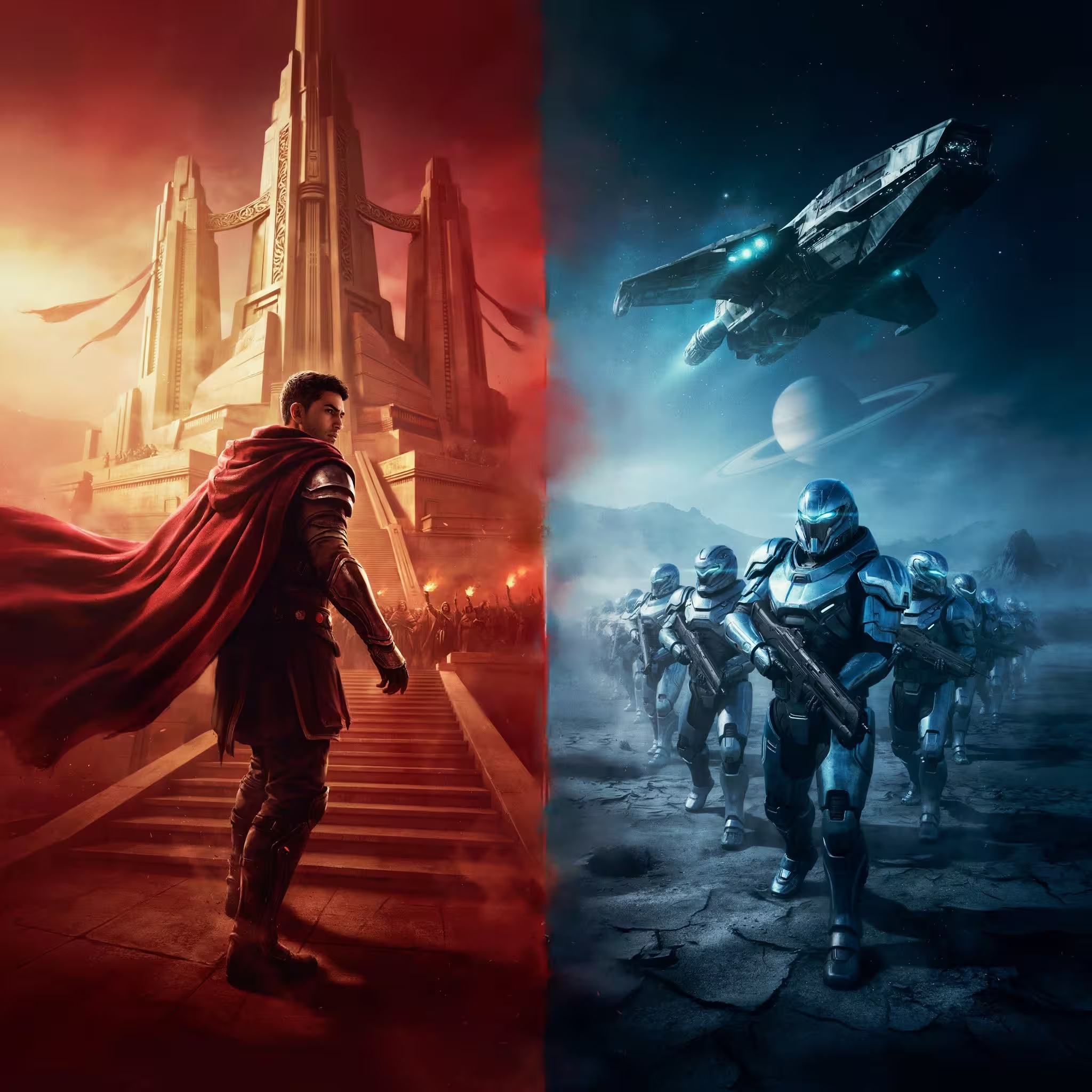
Imagine living in a world where your place in society is decided before you are even born. Now imagine joining a military unit where every mission could mean the difference between victory and defeat. Both situations can lead to exciting science fiction stories, but they create very different reading experiences.
That is what makes Red Rising and military science fiction so interesting to compare. Both can feature space battles, powerful leaders, dangerous enemies, and characters fighting for their lives. However, they often focus on different questions. Should people fight to change an unfair world, or should they focus on surviving the next battle?
Understanding Red Rising vs Military Sci-Fi helps readers see how two stories can share similar ingredients while telling very different kinds of tales. Let’s explore their biggest storytelling differences, where they overlap, and which style might be the best fit for you.
What Is Red Rising, and What Defines Military Sci-Fi?
Before comparing their storytelling styles, it helps to understand what makes each one special. Although these categories share some features, they do not always tell the same kind of story.
Red Rising’s Blend of Dystopian Science Fiction and Space Opera
Red Rising is a science fiction series by Pierce Brown. Its story begins with Darrow, a young man who lives on Mars in a society divided into color-based groups. Each group has a place in the social order, and the Golds sit at the top with enormous power.
Darrow discovers that the world he knows is built on lies. This discovery pushes him toward a dangerous plan to challenge the people who control society. His journey takes him into a world of political games, fierce rivalries, battles, and difficult choices.
The series combines several storytelling styles. It has the unfair society of dystopian fiction, the grand scale of space opera, and the military training and warfare often found in military science fiction.
However, Darrow’s personal journey remains central. Readers follow his changing beliefs, growing abilities, friendships, and struggles with the person he must become to reach his goals.
The Core Elements of Military Science Fiction
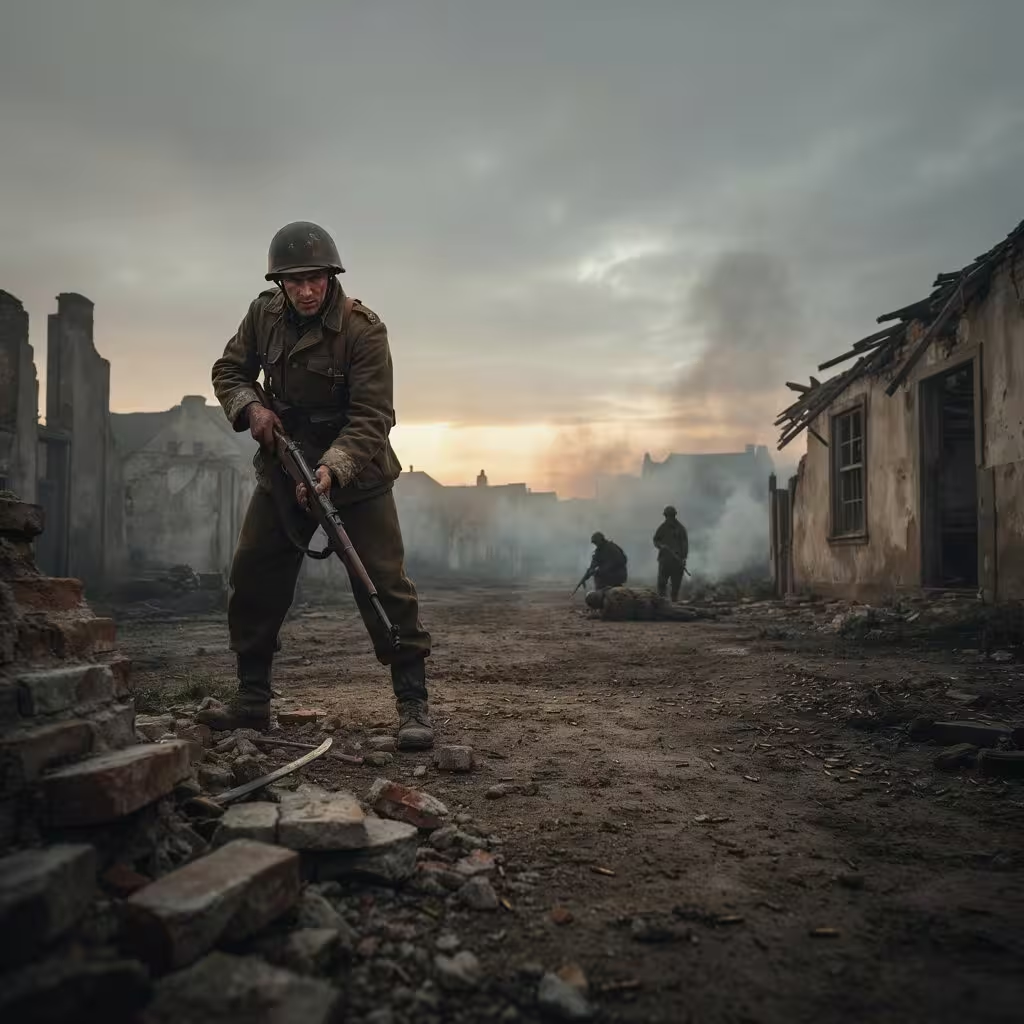
Military science fiction, often called military sci-fi, focuses on armed forces in futuristic settings. These stories may take place on distant planets, aboard spacecraft, or during wars between human groups and alien civilisations.
A typical story might follow a group of soldiers defending a colony, a commander leading a fleet, or a new recruit learning how to survive a dangerous conflict. Technology, military rules, training, and battlefield decisions often shape the plot.
For example, a squad may have to defend a space station while waiting for help. The soldiers must manage their limited supplies, follow orders, and decide how to respond when the enemy changes its plans.
Many military sci-fi stories also explore friendship, courage, sacrifice, and the cost of war. They can include political drama and personal struggles, too. The main difference is often what drives the story: military operations and their consequences tend to take centre stage.
Red Rising vs Military Sci-Fi: 5 Key Storytelling Differences
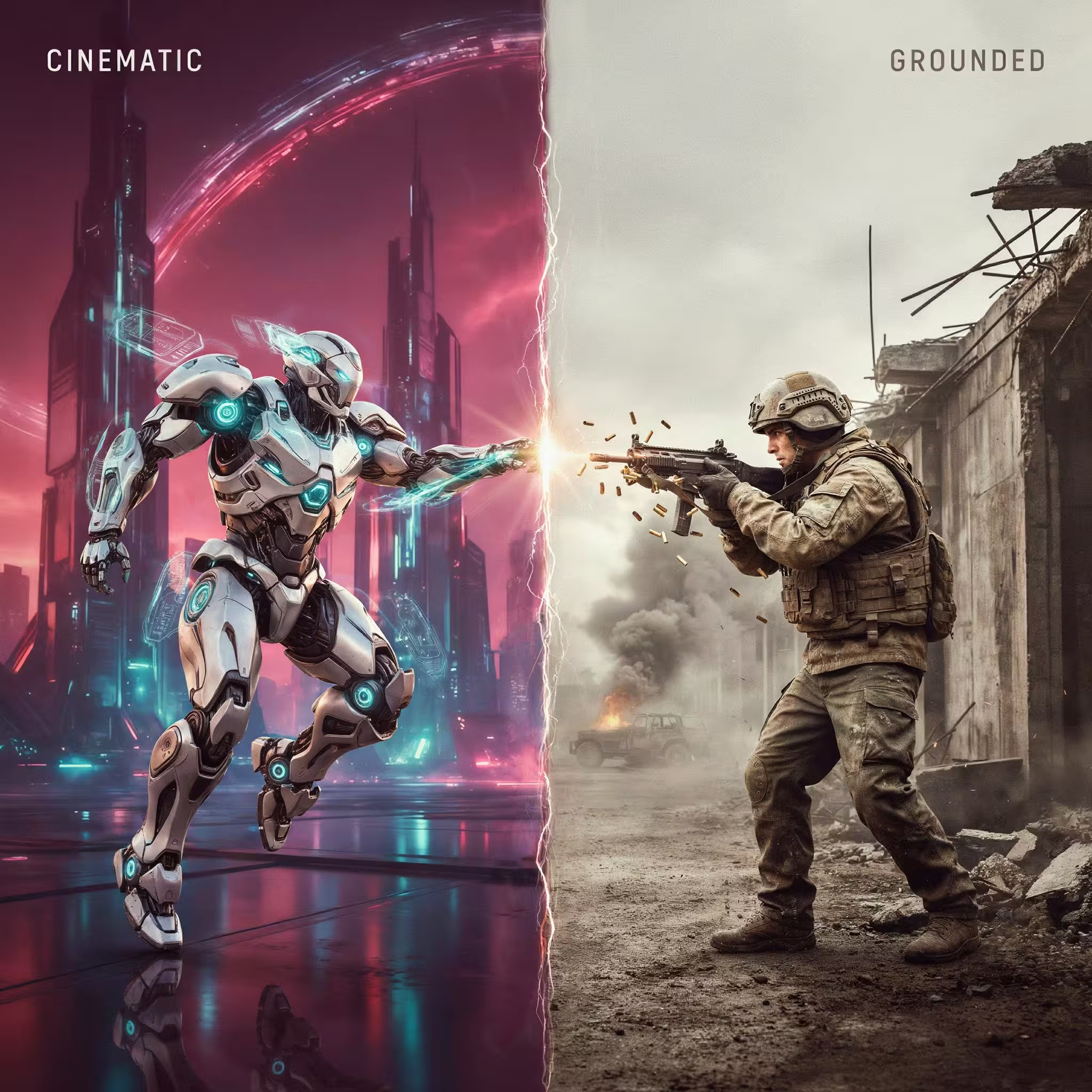
Both storytelling styles can deliver thrilling action and unforgettable characters. The difference becomes clearer when we look at how they build conflict, develop their heroes, and move the plot forward.
- Character-Driven Conflict vs Mission-Driven Narratives
In Red Rising, the story grows from Darrow’s personal experiences and the changes he wants to bring to his world. His anger at injustice, desire for change, and relationships with other characters influence his decisions. Even when he enters a battle, the larger question is often what that battle means for his personal journey.
Military sci-fi can take a different approach. The story may begin with a mission, such as rescuing trapped soldiers or stopping an enemy fleet. The characters’ choices matter, but the mission often gives the plot its direction.
Think of the difference this way: one story might ask, “How far will this person go to change society?” Another might ask, “Can this team complete its mission before time runs out?”
These approaches are not strict rules. Military sci-fi can feature deeply personal stories, and Red Rising contains important military missions. The difference lies in which part of the story receives the most attention.
- Political Intrigue and Social Hierarchy vs Military Command and Strategy
Power plays a major role in both types of stories, but they often explore it in different ways.
In Red Rising, society itself is a source of conflict. The colour system decides who gets opportunities, who performs certain jobs, and who holds power. Characters must deal with these rules while trying to survive or challenge them. Political alliances, secret plans, and betrayals can be just as important as physical fights.
Military sci-fi often explores power through the armed forces. Who gives orders? How does a commander make decisions? What happens when soldiers disagree with their leaders? These questions can shape the plot, especially during a dangerous operation.
Imagine two stories about a powerful leader. In one, a character tries to expose a corrupt system and gain support for a rebellion. In the other, a captain must decide whether to follow an order that could put the entire crew at risk.
Both stories explore leadership and responsibility. However, one focuses more on changing the rules of society, while the other may focus on making difficult decisions within a military structure.
- Personal Revenge and Revolution vs Duty and Survival
Motivation helps readers understand why characters take risks. It also shapes the emotional heart of a story.
In Red Rising, Darrow’s journey begins with personal loss and his discovery of a deeply unfair system. His goals grow beyond his own life as he becomes involved in a wider struggle. Revenge, justice, loyalty, and revolution all influence his choices.
Military sci-fi often places characters in situations where duty and survival come first. Soldiers may have to protect civilians, defend their unit, or complete a mission despite terrible danger. They might question their orders, but they still have to consider the lives that depend on them.
For example, a soldier may risk everything to bring an injured teammate back to safety. A revolutionary character may risk everything to help free an oppressed community.
Neither motivation is better than the other. Both can create powerful emotional moments. They simply lead to different questions about what people owe to themselves, their friends, their leaders, and the wider world.
- High-Stakes Action vs Tactical and Operational Realism
Action appears in both styles, but the way a story presents it can change the reading experience.
Red Rising often uses dramatic confrontations, dangerous competitions, shifting alliances, and large battles to raise the stakes. These events test characters physically and mentally. They can also change relationships, reveal hidden motives, or shift the balance of power.
Military sci-fi may spend more time explaining how a battle works. Readers might follow a commander’s plan, learn why a particular weapon matters, or see how poor communication puts a unit in danger. Some stories include detailed descriptions of equipment, logistics, and military tactics.
Imagine a space battle between two fleets. One story might focus on the hero’s desperate attempt to outsmart a powerful enemy. Another might examine how the fleet uses its limited fuel, protects its ships, and coordinates attacks.
Of course, military sci-fi does not always need technical detail, and Red Rising also includes strategic battles. The key difference is the amount of attention given to the emotional drama of the action versus the practical details of carrying it out.
- Individual Transformation vs Teamwork and Military Brotherhood
Great science fiction often shows characters changing under pressure. However, different stories can place that change within different relationships.
Darrow’s journey in Red Rising involves major personal transformation. He must learn new skills, understand unfamiliar social rules, and make decisions that challenge his beliefs. As he gains power, he also faces the danger of becoming like the people he wants to defeat.
Military sci-fi often gives strong attention to teamwork. Soldiers depend on one another because a single mistake can put an entire group in danger. Trust, shared hardship, and loyalty may become just as important as individual skill.
Picture a new recruit who learns to trust a team after trying to handle every problem alone. The recruit’s growth matters, but it also changes how the whole unit works together.
In contrast, a story centered on Darrow may explore how one person’s changing identity affects friends, enemies, and an entire society. Both approaches can show meaningful growth, but they highlight different sides of it: personal transformation and collective strength.
Where Red Rising and Military Sci-Fi Overlap
Despite these differences, Red Rising has plenty in common with military science fiction. Treating the two as completely separate would miss an important part of what makes the series exciting.
Both can feature organised forces, intense training, military ranks, strategic planning, and battles with serious consequences. Characters may have to follow orders, earn trust, work with rivals, or make sacrifices for a greater goal.
They also share deeper themes. Leadership can test a person’s character. Loyalty can become complicated when friends disagree. Victory can come at a painful cost, and even a successful battle may leave characters facing difficult questions.
The main difference is not whether these elements appear. It is how the story uses them.
Red Rising uses military conflict as part of a larger struggle involving social inequality, political power, and personal change. A more traditional military sci-fi novel might concentrate on a war, a unit’s survival, or the decisions needed to defeat an enemy.
This overlap is why readers who enjoy one style may also enjoy the other. Someone who likes the battles and rivalries in Red Rising might discover a love for military sci-fi, while a fan of military stories may enjoy its wider political drama.
Which Storytelling Style Is Right for You?
The best choice depends on what you want from a story. Do you enjoy watching a character challenge an unfair world, or would you rather follow a team trying to survive a dangerous mission? You may enjoy both, but one style might appeal to you more.
Choose Red Rising for Political Intrigue and Personal Transformation
Choose Red Rising if you enjoy stories about characters who challenge powerful systems and change as they face difficult choices. It may suit you if you like secrets, betrayals, rivalries, ambitious plans, and heroes who are not always sure they are doing the right thing.
You will also find a mix of action and political drama. The story does not simply ask who will win a battle. It explores what victory means, what it costs, and whether a person can fight for justice without losing part of themselves along the way.
This makes the series a good choice for readers who want their action to connect with larger questions about fairness, power, and responsibility.
Choose Military Sci-Fi for Strategy, Warfare, and Chain of Command
Military sci-fi may be the better choice if you enjoy the planning and teamwork behind a battle. You might like following a squad through a dangerous mission, learning how a spacecraft operates during combat, or watching a commander make a decision with limited information.
This genre can also appeal to readers who enjoy stories about friendship, discipline, courage, and survival under pressure. Some books lean heavily into technology and tactics, while others focus more on the people serving together.
If you enjoy asking how a mission can succeed, why a plan failed, or what a team must sacrifice to protect others, military sci-fi offers plenty to explore.
You do not have to choose only one. Starting with Red Rising and then trying a military sci-fi novel is a useful way to discover which storytelling elements you enjoy most.
Final Verdict
Yes, Red Rising contains important military science fiction elements, but military sci-fi alone does not fully describe the series. Its battles, training, command structures, and strategic conflicts connect it to the genre. Its focus on an unfair social order, political struggles, and Darrow’s personal transformation also makes it a blend of dystopian science fiction and space opera.
Ultimately, Red Rising vs Military Sci-Fi is not a choice between action and no action. Both can deliver intense battles, dangerous missions, and memorable characters. The difference is what the action helps the story explore.
If you want to understand how one character’s struggle can grow into a fight for an entire society, Red Rising offers that experience. If you prefer stories centered on military missions, teamwork, and battlefield decisions, military sci-fi may be your ideal starting point. And if you enjoy both, there is no reason not to explore both worlds.