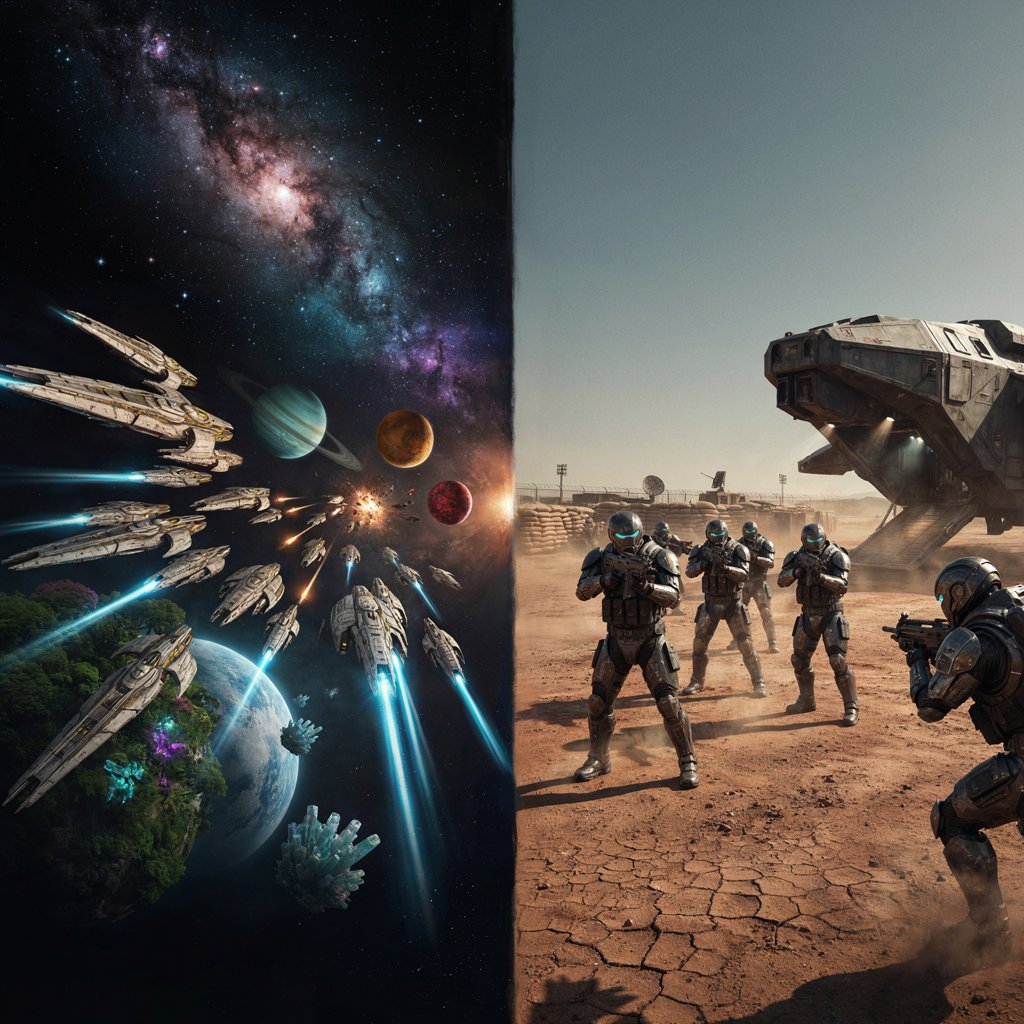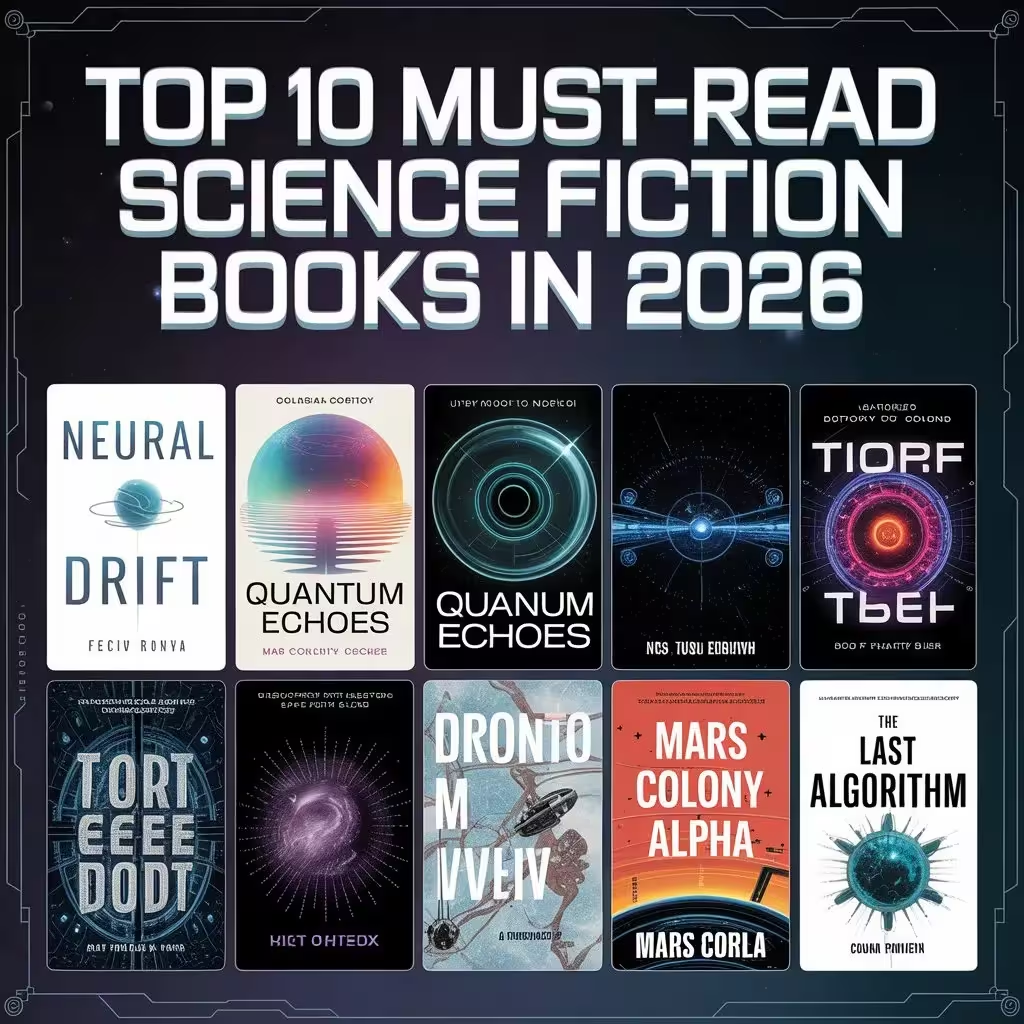
Science fiction in 2026 is enormous, giant, and magical. This year it’s funny robots, strange planets, smart machines, Mars journeys, alien empires, and tales of people attempting to survive impossible futures.
Some books ask simple but powerful questions. What makes us human? Can technology help us or hurt us? What would we do on a new world? Here are ten must read science fiction books that deserve a spot on your 2026 reading list.
How We Chose These Must-Read Sci-Fi Books
We selected books that have good ideas, interesting settings, and obvious reasons to go on turning the pages. A good science fiction novel isn’t about spaceships or robots. It leaves readers curious and/or worried and/or amazed and/or hopeful.
Some of the best-known authors, popular series and new standalones are featured here. It also includes various types of SciFi such as space opera, AI stories, Mars adventures, alien worlds, future libraries, climate fiction and stories about identity. This diversity is why the list is helpful to both those who have followed the genre for years and those who are just beginning.
1. Dark Star by Barry Spaulding
Barry Spaulding’s Dark Star is a large-scale military science fiction story about war, betrayal, survival, and one legendary warrior’s fight against a ruthless empire.
The story follows Commander Aaron Darkstar, leader of the elite Special Assault Squadron, as he battles the powerful Zarkon Star Empire and carries the pain of a violent past into every mission.
The transcript introduces a generations-long war between the Agricans and the Zarkons, with Darkstar rising from obscurity to lead an elite force toward victory.
Why It’s a Must-Read
This book is perfect for readers who enjoy classic space-war adventure with high stakes, intense battles, and a larger-than-life hero. Aaron Darkstar is not just a skilled commander, he is a haunted survivor shaped by loss, discipline, and revenge. His world includes star carriers, elite assault teams, Zarkon warships, jungle survival, hidden colonies, political tension, and dangerous rescue missions.
The story feels big and cinematic. It moves from spaceport chases and starship command rooms to asteroid battles, crashed ships, secret caverns, and enemy prison ships. Readers who like science fiction filled with action, military strategy, personal sacrifice, and heroic courage will find a lot to enjoy here.
Best For
Fans of military sci-fi, space battles, heroic commanders, alien empires, survival stories, old-school adventure, and character-driven war fiction.
2. Children of Strife by Adrian Tchaikovsky
Adrian Tchaikovsky returns to his famous Children of Time universe with Children of Strife. Orbit lists the book as the fourth entry in the series, with a March 17, 2026 U.S. release date.
Why It’s a Must-Read
This book is perfect for readers who love big ideas. Tchaikovsky often writes about intelligence in unusual forms, from spiders to machines to alien life. Children of Strife continues that tradition and asks readers to think beyond the human point of view.
Best For
Readers who enjoy deep space, first contact, smart alien life, and thoughtful science fiction.
3. The Faith of Beasts by James S. A. Corey
James S. A. Corey, the writing team behind The Expanse, continues The Captive’s War series with The Faith of Beasts. The authors’ official site lists it as an Orbit book published on April 14, 2026.
Why It’s a Must-Read
This book throws humans into the grip of a powerful alien empire. The story follows people who must survive, plan, and resist without having much power. That setup creates tension on every page. Readers who enjoyed The Expanse will find another large-scale story with danger, politics, and big choices.
Best For
Fans of alien empires, survival stories, space politics, and high-stakes adventure.
4. Radiant Star by Ann Leckie
Ann Leckie returns to the Imperial Radch universe with Radiant Star. Reactor’s May 2026 science fiction release list describes it as an Imperial Radch story involving religion, unrest, food shortages, and a troubled relationship with the Radch Empire.
Why It’s a Must-Read
Leckie writes science fiction that feels intelligent and personal at the same time. Radiant Star looks at power, belief, class, and culture through the lives of people caught inside a changing society. It sounds like the kind of book that rewards careful reading.
Best For
Readers who like political sci-fi, complex societies, and stories that ask big moral questions.
5. The Subtle Art of Folding Space by John Chu
John Chu’s The Subtle Art of Folding Space is his debut science fiction novel. Tor Publishing describes it as a story full of “unhinged physics,” family trauma, and comfort food, with a multiverse-flavored plot.
Why It’s a Must-Read
This book sounds fun, weird, and emotional in the best way. It mixes universe-breaking science with family conflict, which gives the story both scale and feeling. Instead of only asking, “Can we save the universe?” it also asks, “Can we understand the people closest to us?”
Best For
Fans of multiverse stories, clever science ideas, family drama, and fresh voices in sci-fi.
6. The Language of Liars by S. L. Huang
L. Huang’s The Language of Liars is a shorter science fiction work from Tordotcom. Macmillan describes it as a story about secrets, body jumping, and the power of language.
Why It’s a Must-Read
This book uses language as more than simple communication. It turns words into power, danger, and identity. That gives the story a strong hook: what happens when understanding another being can change everything?
Best For
Readers who enjoy alien cultures, spy-like tension, body-switching ideas, and smart novellas.
7. The Rainseekers by Matthew Kressel
Matthew Kressel’s The Rainseekers takes readers to Mars. Macmillan describes the story as following a former influencer who joins travelers hoping to witness the first rain on Mars.
Why It’s a Must-Read
Mars stories often focus on rockets, science, and survival. This one adds something tender: people searching for meaning. The idea of waiting for rain on a dry planet feels simple, beautiful, and powerful. It gives the story a strong emotional pull.
Best For
Readers who like Mars, personal journeys, quiet adventure, and hopeful science fiction.
8. The People’s Library by Veronica G. Henry
The People’s Library by Veronica G. Henry imagines a future library that holds digital human consciousness. Bookshop lists it as a 47North title published on February 1, 2026.
Why It’s a Must-Read
A library of human minds is a brilliant idea. It makes readers wonder: Would we want to talk to copies of the dead? Would those copies have rights? Could someone misuse them? This book turns a familiar place, the library, into a doorway to big ethical questions.
Best For
Fans of digital minds, future libraries, mysteries, and technology with moral problems.
9. The Infinite Sadness of Small Appliances by Glenn Dixon
Glenn Dixon gives readers one of the most charming sci-fi ideas of 2026: a sentient Roomba. Simon & Schuster describes The Infinite Sadness of Small Appliances as a novel about a young robotic vacuum trying to save the humans in her house from a rising technological power.
Why It’s a Must-Read
This book sounds gentle, funny, and surprisingly brave. A tiny robot vacuum may not look like a hero, but that makes the idea even better. When a small machine cares about people, the story can explore love, loyalty, aging, and control in a fresh way.
Best For
Readers who like warm sci-fi, smart homes, friendly robots, and emotional stories.
10. What We Are Seeking by Cameron Reed
Cameron Reed’s What We Are Seeking takes readers to the planet Scythia. Macmillan lists it as a science fiction novel from Tor Books with an April 7, 2026, on-sale date and describes a strange world with dangerous plants, artificial monsters, and transformation.
Why It’s a Must-Read
Alien planet stories work best when the world feels alive. This one offers a strange ecosystem and a main character who must change to survive. That gives the book adventure, danger, and emotional growth.
Best For
Fans of alien planets, survival stories, queer sci-fi, and rich worldbuilding.
Quick Comparison of the Top 2026 Sci-Fi Books for First-Time
Readers
Choose Platform Decay first if you want humor and action. Pick Children of Strife if you want big alien ideas. Start The Faith of Beasts if you love space empires and rebellion. Try Radiant Star if you enjoy political drama. Pick The Subtle Art of Folding Space if you want strange physics and family conflict.
Choose The Rainseekers for a quieter Mars story, The People’s Library for digital consciousness, and The Infinite Sadness of Small Appliances for robot charm. Pick What We Are Seeking if you want a wild alien planet, and The Language of Liars if you want a short, sharp story about words and identity.
Key Sci-Fi Themes to Watch in 2026
Science fiction in 2026 keeps asking what technology does to people. AI appears in smart homes, creative systems, libraries, and medical worlds. Robots and machines no longer act only as tools. They think, choose, care, and sometimes rebel.
Alien worlds also play a major role. Many of these books push humans into strange places where old rules no longer work. Mars, Scythia, alien empires, and multiverse systems all force characters to grow.
The strongest theme may be identity. These books ask who we become when our bodies, homes, memories, languages, and societies change. That makes them exciting and meaningful.
Tips for Choosing Your Next Science Fiction Book in 2026
Begin with the type of story you like best. Choose space opera if you are looking for large worlds and battles! If you’re into technology and moral quandaries, choose stories from Pick AI. If you are looking for adventure stories, choose Mars or alien planet stories. Choose novellas if you’re looking for something shorter.
Look to see if a book is part of a series. It’s best if you are familiar with the first books, Platform Decay, Children of Strife and The Faith of Beasts. Some standalones such as The Rainseekers or The Infinite Sadness of Small Appliances might be easier to begin with.