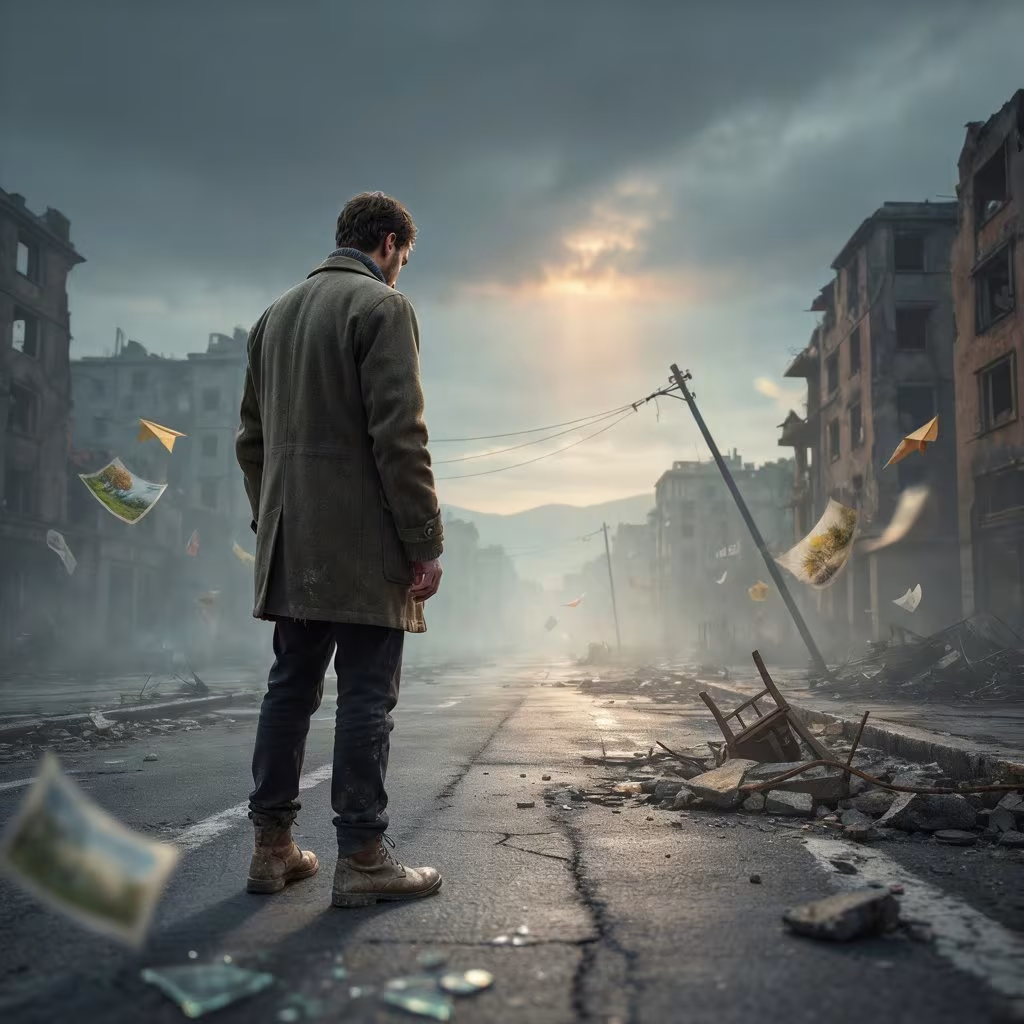
War does not end when the shooting stops. For many people, its effects can remain in their thoughts, memories, relationships, and everyday choices for years.
This is one reason war has such a powerful place in literature and storytelling. A battle may last for hours, but the feelings it creates can shape a character for the rest of their life.
Stories help us see war through the eyes of the people who actually experience it. Instead of only showing battles and armies, they can show a tired soldier, a frightened child, a person trying to rebuild a broken home or a grieving parent.
By exploring the human mind in stories, writers can show how fear, loss, guilt, and hope change the way people understand themselves and the world around them.
How War Changes the Human Mind
War can affect the way a person thinks and reacts to almost everything around them. A character who once felt safe may begin expecting danger everywhere.
Someone who trusted others may become suspicious. Another person may discover courage and kindness they never knew they had.
Good war stories often focus on these inner changes because they make characters feel real. Readers do not simply watch events happen they experience those events through a character’s thoughts, fears, and decisions.
This makes the psychological effects of war just as important as the physical destruction it causes.
Fear and the Constant Need to Survive
Fear is one of the strongest emotions in a war story. When danger can appear at any moment, characters may stop thinking about the future and focus only on staying alive.
A loud noise that once seemed harmless can suddenly become frightening. A dark street may feel unsafe, even when nothing is happening.
Writers can use these small details to show how war affects a person’s mind. A character might check the windows several times before sleeping or become nervous whenever they hear an unfamiliar sound.
These actions show that the character’s brain is still preparing for danger.
This constant fear can also affect their relationships. A character may struggle to relax around family or friends because their mind has learned to expect something bad.
Through the human mind in stories, readers can understand that survival is not only about escaping physical danger. It can also mean learning how to feel safe again.
Trauma and Emotional Scars
Some experiences are so painful that they remain with people long after the event has ended. Stories often describe this through trauma. A character may have nightmares, avoid certain places, become emotionally quiet, or suddenly remember something terrible from the past.
Not every character reacts to trauma in the same way. One person may talk about what happened, while another may refuse to discuss it. Someone may become angry, while another may seem calm but feel deeply troubled inside.
These different reactions make characters more believable. They also remind readers that emotional pain is not always easy to see. A character who appears strong on the outside may still be fighting a difficult battle within.
Loss, Grief, and Loneliness
War often takes away much more than lives. People can lose homes, communities, friendships, routines, mental health and the feeling that their future is secure. These losses can completely change a character’s emotional world.
Imagine a character returning to a street where they once played with friends, only to find that their home is gone. The place may still exist, but it no longer feels like home. That simple moment can communicate grief more powerfully than a long explanation.
Grief can also make characters feel isolated. They may believe that nobody else understands what they have lost. Strong stories allow readers to sit with that sadness instead of rushing past it.
This gives emotional weight to the story and shows the personal cost hidden behind larger historical events.
Guilt and Moral Conflict
War can force people to make choices they would never face during ordinary life. A character may have to choose between protecting one person and helping many others. They may survive while someone they love does not. They may follow an order and later question whether it was right.
This creates moral conflict. The character is not simply asking, “What should I do?” They may also ask, “What kind of person am I now?”
Guilt can become one of the most powerful parts of a character’s journey. A person might replay an old decision again and again, wondering whether they could have acted differently.
These struggles show that the effects of war are often complicated. There are not always clear heroes, villains, or easy answers.
How War Changes a Character’s View of the World
War can change more than a person’s emotions. It can change what they believe about people, society, justice, and even themselves. A character who once saw the world as safe and predictable may begin to see it as uncertain and fragile.
This shift is an important part of the human mind in stories because it gives characters room to grow. Their experiences challenge their old beliefs and force them to decide what they still believe.
From Innocence to Harsh Reality
Many war stories begin with characters who have simple ideas about the world. They may believe that good people always win or that adults can keep everyone safe. War can challenge those beliefs very quickly.
For example, a young character may enter a conflict believing that bravery means never being afraid. After experiencing real danger, they may learn that courage can mean being afraid and still helping someone else.
This change from innocence to understanding does not always mean becoming hopeless. Sometimes it means developing a deeper and more realistic view of life.
The character learns that people can be cruel, but they can also be kind. They discover that even in terrible situations, small acts of courage still matter.
Trust, Relationships, and Human Connection
War can make trust difficult. When people live through betrayal, violence, or sudden loss, they may become careful about whom they allow into their lives. Yet war stories also show the opposite such as extreme hardship can bring people closer together.
Two strangers might protect each other during a dangerous journey. Soldiers may depend on one another completely. Families may stay together even when everything around them is falling apart.
These relationships give war stories moments of warmth. They remind readers that people often need connection most when life becomes hardest. Friendship, loyalty, and kindness can become forms of strength.
Identity and the Search for Meaning
A person can begin to wonder who they are after living through war. A character who once had a clear future may lose that direction.
Someone who thought of themselves mainly as a student, parent, friend, or worker may now see themselves through the role they played during the conflict.
This can create an identity crisis. The character may ask what their experiences mean and whether they can become the person they were before.
Stories do not always give a simple answer. Sometimes the character finds a new purpose. Sometimes they accept that they have changed. In other cases, they spend the story searching for meaning. That uncertainty can make their journey feel honest and human.
How Authors Show the Psychological Effects of War
Authors do not need to explain every emotion directly. Often, they let readers discover what a character is feeling through actions, memories, conversations, and surroundings. This makes the emotional experience more powerful.
The best examples of the human mind in stories often show inner change through small details rather than long explanations.
Through Character Development
Character development shows how experiences change a person over time. A character might begin a story as confident and trusting but become quiet and cautious after experiencing loss.
Writers can show this change through decisions. Perhaps the character once helped strangers without hesitation but later struggles to trust anyone. Or maybe they once avoided danger but eventually risk their safety to protect another person.
These choices allow readers to see the character’s mind changing naturally. Instead of being told that the character has changed, readers can notice the difference for themselves.
Through Memories and Flashbacks
Memories can connect a character’s past with their present. A smell, sound, photograph, or familiar location might remind them of something that happened during the war.
Flashbacks can also explain why a character behaves in a certain way. If a person suddenly becomes afraid when they hear an explosion, a memory can help readers understand the reason.
Used carefully, memories make the story feel deeper. They show that the past does not simply disappear when the present begins.
Through Symbolism and Setting
The world around a character can reflect what is happening inside their mind. A destroyed building might represent a lost sense of security. An empty road could represent loneliness. A broken family photograph might symbolize a past that cannot be restored.
Setting can also create emotional contrast. A peaceful garden may feel strange to someone who has spent years surrounded by danger. A quiet room may become uncomfortable because silence reminds the character of what happened.
Authors use these details to let the environment tell part of the emotional story.
The Difference between War During the Battle and After the War
One important idea in war fiction is that physical survival does not always mean emotional recovery. A character may leave the battlefield but continue carrying memories, fears, and unanswered questions.
This is where many stories become especially meaningful. They show that returning home can be its own challenge.
The Psychological Battle Does Not Always End
After the war, a character may expect life to return to normal. But normal life may no longer feel normal. Everyday problems can seem strange after years of survival.
A character may struggle with crowded places, loud sounds, relationships, or ordinary routines. They may also find it difficult to explain what they experienced to people who were not there.
This does not mean every character remains trapped by the past. Some learn to live with their experiences and build new lives. Others struggle for much longer. Showing these different paths makes stories more realistic.
Learning to Live With the Past
Healing in a story does not have to mean forgetting. A character may never erase painful memories, but they can learn how to carry them without allowing the past to control every part of their life.
Some characters find comfort through family or friendship. Others find purpose in helping people, rebuilding their communities, or telling their stories. Their journey can show readers that moving forward does not mean pretending nothing happened.
This idea gives war stories a sense of hope without ignoring the damage caused by conflict.
Why War Stories Still Matter to Readers
War stories continue to matter because they help readers look beyond statistics and headlines. They put human faces and emotions at the center of events that can otherwise feel distant.
Through the human mind in stories, readers can explore questions that remain important even outside wartime:
- How do people survive fear?
- How do they recover from loss?
- What makes someone brave?
- Can people forgive themselves?
- How can they find hope after terrible experiences?
They Make History Feel Personal
History often gives us dates, places, major events and leaders. Stories can add something different, such as personal experience.
A reader may understand a historical conflict differently after seeing it through the eyes of a child who misses home or a family trying to survive without enough food. Fiction can turn a large event into a personal experience that feels easier to understand and remember.
They Build Empathy and Understanding
Stories allow readers to imagine lives that may be very different from their own. When we understand why a character is afraid, angry, grieving, or hopeful, we become more willing to think about experiences from another person’s point of view.
This is one of the strongest benefits of storytelling. It does not simply give information. It invites readers to feel and think.
They Ask Difficult Questions
The strongest war stories do not tell readers exactly what to think. Instead, they ask difficult questions about courage, sacrifice, justice, survival, and responsibility.
Readers may finish a story still wondering whether a character made the right choice. That is not a weakness. It can be the point.
War rarely creates simple situations, so stories about it should not always have simple answers. By exploring the human mind in stories, writers give readers space to think about what people become when they face extreme circumstances.
Final Consideration
War changes more than just governments and landscapes. It can change how people think, remember, trust, love, grieve, and understand themselves. Stories bring these changes to life by showing what happens inside a person’s mind when their world is turned upside down.
The most powerful war stories remind us that every conflict is made up of individual human experiences. Behind every battle are people facing fear, loss, difficult choices, and the hope of finding a way forward.
That is why stories about war remain important. They help us understand not only what happened, but also what those events can do to the people who live through them. And by exploring the human mind in stories, readers can better understand the lasting emotional cost of conflict and the strength people can find even after the darkest moments