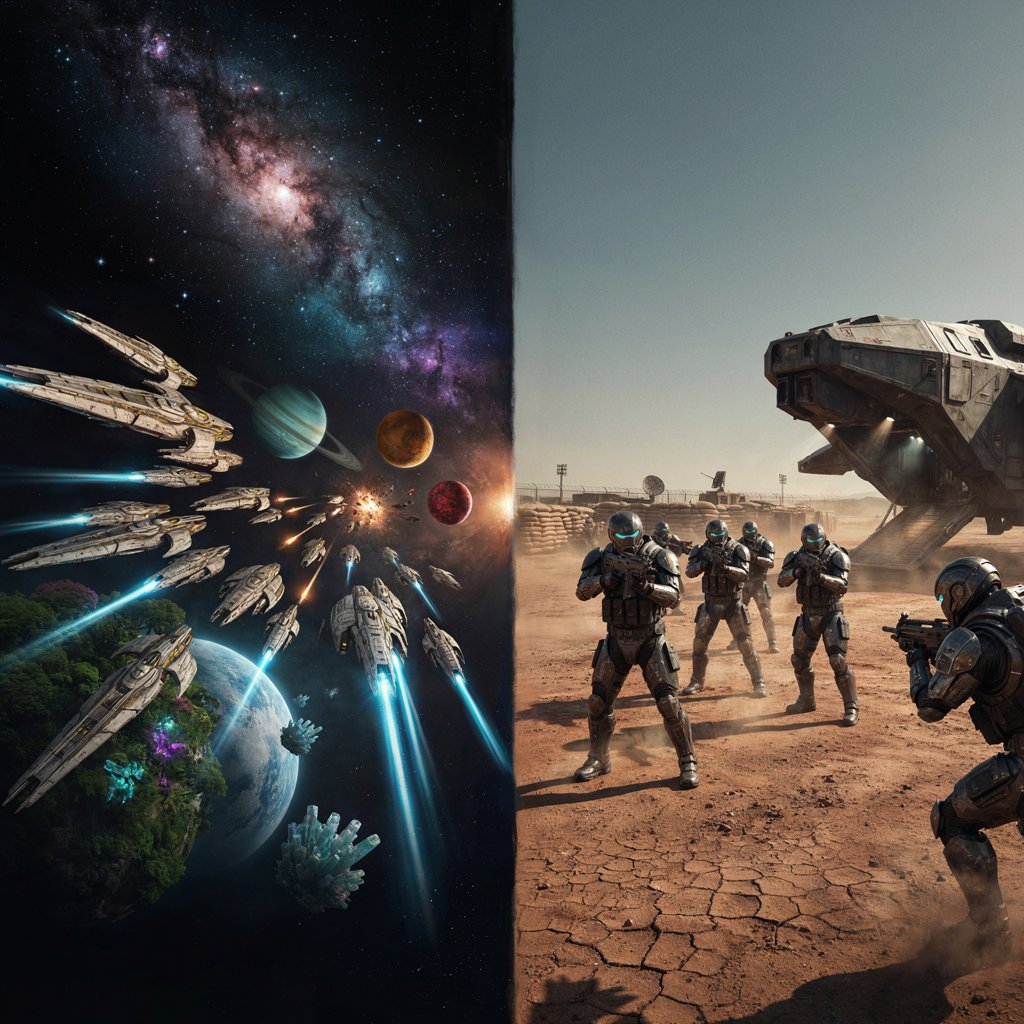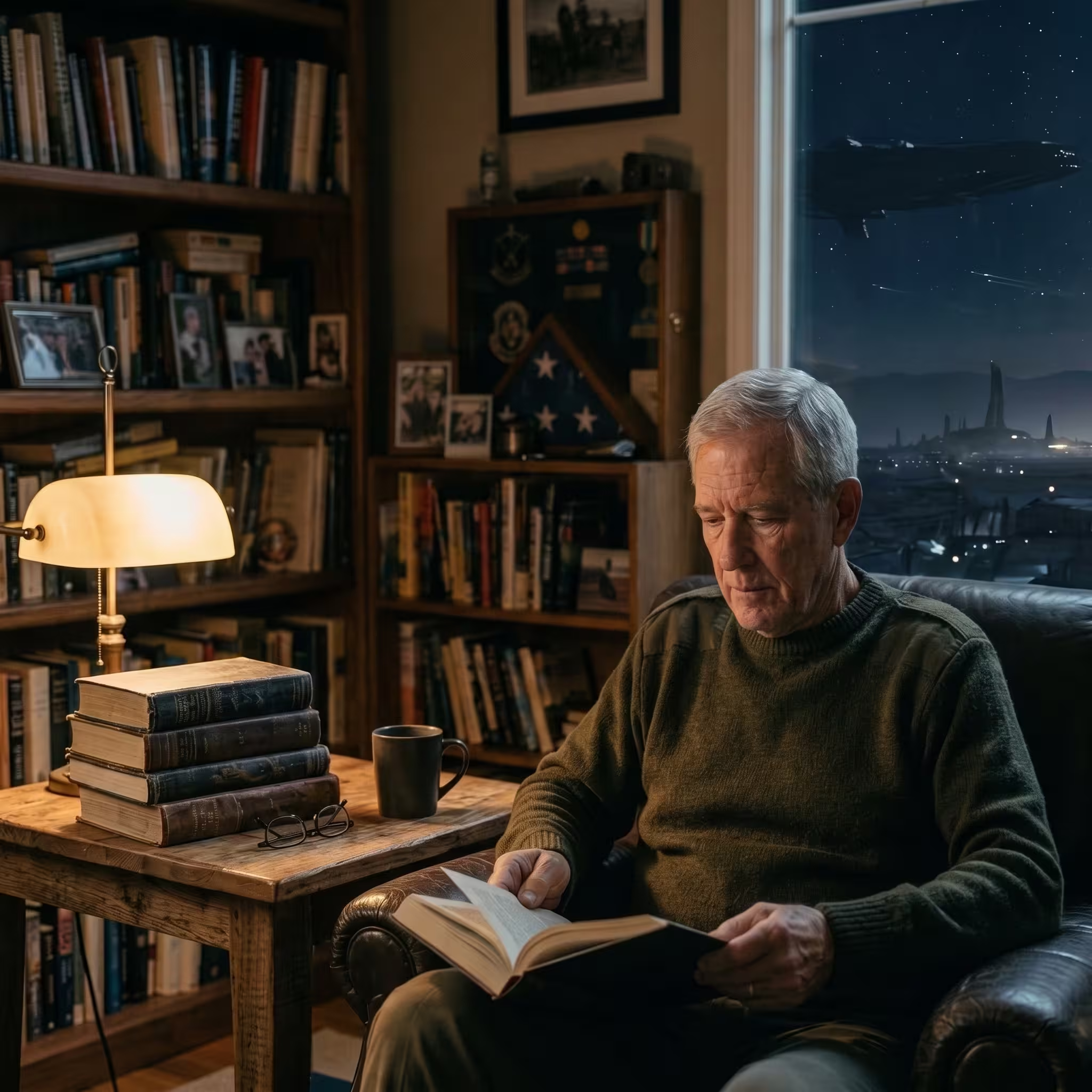
Science fiction can take readers to distant planets, strange worlds, and battles fought among the stars. But some of the best military science fiction is not really about spaceships or aliens. It is about people. It explores friendship, duty, fear, leadership, loss, and what happens when a person has to return to normal life after serving in a war.
That is one reason Sci-Fi books for veterans can feel different from ordinary science fiction. A story set hundreds of years in the future can still describe feelings that are familiar today. A soldier may struggle with orders, trust a fellow service member with their life, or wonder what life will look like after coming home.
The books below stand out because they use science fiction to explore military life in meaningful ways. Some focus on combat, while others look more closely at leadership, identity, and the lasting effects of service.
Why Sci-Fi Appeals to Veterans
Science fiction gives writers a way to explore military experiences without telling the same kind of war story every time. A writer can move the action to another planet or another century while keeping familiar human problems at the center.
For a veteran, this can create an interesting balance. The setting may be completely fictional, but the relationships between soldiers can feel real. A squad still has to work together. Leaders still have to make difficult choices. People still depend on one another when things go wrong.
Science fiction can also give readers some distance from difficult subjects. Instead of reading about a real war, a reader might follow soldiers fighting on a distant planet. That fictional setting can make it easier to think about serious questions surrounding service, sacrifice, loyalty, and the cost of war.
What Makes a Sci-Fi Book Feel Authentic to Veterans?
A military science fiction book does not need to describe every detail perfectly to feel believable. What matters is whether the people, relationships, and consequences make sense.
Realistic Military Culture and Chain of Command
Military organizations have rules, ranks, responsibilities, and systems for making decisions. Good military science fiction understands that soldiers do not simply run into battle whenever they want.
Orders come from somewhere, and those orders affect everyone below them. A private may see a situation differently from a commanding officer. A leader may have to follow orders while also protecting the people under their command.
When a story shows these pressures clearly, its military setting feels much more believable.
Brotherhood, Camaraderie, and Unit Cohesion
Military service can create strong bonds between people who may have very different backgrounds. Soldiers learn to depend on one another, especially during stressful situations.
A strong military science fiction story shows this connection through small moments, not just dramatic battles. Soldiers may joke together, help each other prepare, or worry about someone who has been separated from the group.
hese details make characters feel like real people rather than action heroes. For another look at what makes a believable soldier compelling, readers can also examine what makes a great soldier character
The Reality of Combat and Its Consequences
Combat is not simply a series of exciting victories. It can involve fear, confusion, exhaustion, injury, difficult choices, and loss.
Stories that show these consequences tend to feel more grounded. A battle should affect the people who survive it. Characters may change their behavior, question their choices, or struggle with what happened.
That does not mean every military science fiction story needs to be dark. It simply means that actions should have consequences. Readers interested in how authors portray battlefield action can also look at tactical battles in sci-fi novels
Leadership, Duty, and Moral Decisions
Military leaders often have to make decisions without having all the information they want. Sometimes there is no perfect choice.
A good science fiction novel can explore this problem by placing a commander in a difficult situation. Saving one group might put another group at risk. Following an order might conflict with personal beliefs. Protecting the mission might mean making a painful sacrifice.
These situations give military stories depth beyond simple battles.
Returning Home and Adjusting to Civilian Life
Some military science fiction also looks at what happens after the fighting ends. A person can return from a mission and discover that the world around them has changed.
This can be especially powerful in science fiction. A soldier might return after years of fighting, only to discover that decades have passed for everyone else. The setting is fictional, but the question is very human: How do you find your place again after service?
Best Sci-Fi Books for Veterans Who Want Authentic Military Stories
There is no single military experience that every veteran shares. That is why different books may connect with different readers. Some focus on combat, while others spend more time on leadership, military culture, or the effects of returning home.
For readers who want a broader list of military-focused science fiction, military sci-fi books offer another starting point.
The Forever War by Joe Haldeman
Joe Haldeman’s The Forever War is one of the most well-known military science fiction novels. It follows William Mandella, a soldier who fights in a war that lasts for generations.
One of the book’s strongest ideas is the strange relationship between military service and time. Because of the effects of space travel, Mandella can return from missions to find that society has changed dramatically.
The story also looks at military training, combat, relationships, and the difficulty of returning to a world that no longer feels familiar. These themes give the novel more emotional weight than a simple space-war adventure.
Old Man’s War by John Scalzi
Old Man’s War begins with a simple but unusual idea: older people can join the military and receive new bodies that allow them to fight in space.
The novel combines action with questions about aging, identity, recruitment, and military service. Its soldiers have lived full lives before joining, which gives their experiences a different perspective.
The story also spends time on training and relationships between soldiers. That makes it useful for readers looking for military science fiction that focuses on both the individual soldier and the larger military system.
Starship Troopers by Robert A. Heinlein
Robert A. Heinlein’s Starship Troopers focuses heavily on military training, discipline, responsibility, and service. The main character, Johnny Rico, enters military service and experiences the demanding process of becoming a soldier.
The novel is more than a battle story. It asks questions about citizenship, responsibility, authority, and the role of military service in society.
Readers should also remember that the book reflects the ideas and debates of the period in which it was written. It can therefore be interesting to read not only for its military themes but also for the questions it raises about government and society.
The Lost Fleet by Jack Campbell
Jack Campbell’s The Lost Fleet series places a strong focus on command and strategy. Captain John “Black Jack” Geary finds himself responsible for a fleet in a dangerous situation.
Instead of treating leadership as simply giving orders, the series shows the pressure that comes with making decisions that affect many lives. Planning, communication, timing, and protecting personnel all become important parts of the story.
This makes the series a good option for readers who enjoy the leadership and strategic side of military science fiction.
Terms of Enlistment by Marko Kloos
Terms of Enlistment follows Andrew Grayson as he joins a military force in a future where life on Earth is difficult and opportunities are limited.
The story spends time on enlistment, training, military life, deployment, and relationships between service members. It also shows how ordinary people can be shaped by the institutions they join.
For readers interested in the day-to-day side of military service rather than only high-level strategy, the book offers a grounded approach to a futuristic military setting.
Armor by John Steakley
John Steakley’s Armor takes a much more intense look at the individual experience of combat. Its central soldier, Felix, is shaped deeply by the violence and pressure of war.
The novel explores survival, fear, exhaustion, and the mental strain that can come with repeated combat. The science fiction setting gives the story a larger-than-life environment, but its focus remains on the human cost of fighting.
For readers who want a story centred on the individual soldier, rather than military politics or large-scale strategy, Armour offers a different experience. Readers interested in stories where survival is central can also find related themes in survival fiction
Military Themes Veterans May Recognize in These Stories
The strongest military science fiction often works because its themes remain understandable even when the setting is completely imaginary. A reader may never visit another planet, but the problems faced by the characters can still feel familiar.
Some common themes include:
- Camaraderie: Soldiers depend on one another and build relationships through shared experiences.
- Duty: Characters must decide what responsibility means when the situation becomes difficult.
- Leadership: Commanders must make choices that can affect many other people.
- Sacrifice: Characters may have to give up safety, comfort, relationships, or even their lives.
- Identity: Service can become an important part of how a person understands themselves.
- Change: Soldiers may return to a world, organization, or society that no longer feels the same.
These themes are also why Sci-Fi books for veterans can appeal to readers who want more than explosions and futuristic technology. The technology may attract readers, but the human stories are often what keep them turning pages.
How to Choose the Right Sci-Fi Book as a Veteran
The best book for you depends on what kind of story you want to read. You do not have to start with the most famous title. Think about the part of military life that interests you most.
Looking for Combat-Focused Stories
If you enjoy stories that put you close to the soldier’s experience, consider books such as Armor or The Forever War. These stories spend significant time exploring combat, survival, and the personal cost of war.
Looking for Leadership and Military Strategy
Readers who enjoy planning, command decisions, and large military operations may prefer The Lost Fleet. These books spend more time showing how leaders think about missions, resources, timing, and the people under their command.
Looking for Stories About Reintegration and Identity
If you are more interested in what happens when service changes a person’s relationship with the world around them, The Forever War offers plenty to consider. Its unusual treatment of time creates a powerful way to explore returning home to a society that has changed.
Looking for a More Philosophical Take on Military Service
For readers who enjoy questions about citizenship, responsibility, and the meaning of service, Starship Troopers provides plenty to discuss. It is especially useful for readers who enjoy thinking about the ideas behind military institutions, not just the action.
Why Military Science Fiction Can Resonate Beyond the Battlefield
Military science fiction does not have to be only about war. At its best, it uses war as a way to explore ordinary human questions.
What happens when your closest friends are also the people you depend on for survival? How does a person change after years of service? What does leadership mean when every decision has a cost? What happens when the place you once called home no longer feels familiar?
These questions can make a fictional story surprisingly personal. That is why military science fiction can attract both veterans and readers who have never served. The setting may involve spaceships and distant planets, but the emotions remain recognizable.
For veterans, Sci-Fi books for veterans can offer a chance to explore familiar themes through a different lens. For other readers, these books can provide a better understanding of the pressures, relationships, and difficult choices that military stories can represent.
Final Thoughts
The best military science fiction does more than put soldiers in futuristic uniforms. It gives them believable relationships, meaningful responsibilities, difficult choices, and consequences that matter.
Books such as The Forever War, Old Man’s War, Starship Troopers, The Lost Fleet, Terms of Enlistment, and Armor approach military life in different ways. Some focus on combat. Others explore leadership, service, identity, or the challenge of returning to a changing world.
That variety is part of what makes Sci-Fi books for veterans worth exploring. You can choose a story based on the experience you want to examine, whether that is the bond between service members, the pressure of command, or the question of what comes after the mission ends.
A good military science fiction novel should leave you thinking about its characters long after you finish the last page. When it does, the distant planets and futuristic weapons become less important. What remains is the human story.