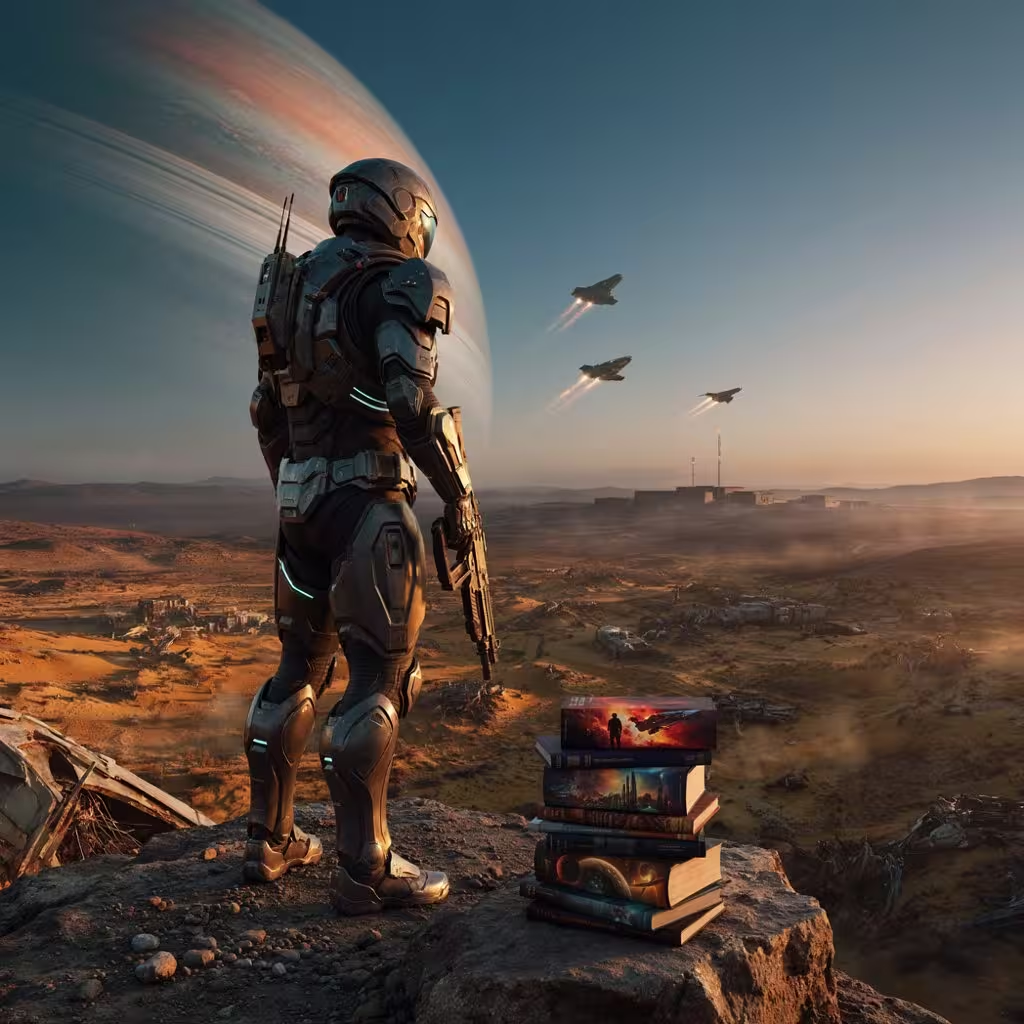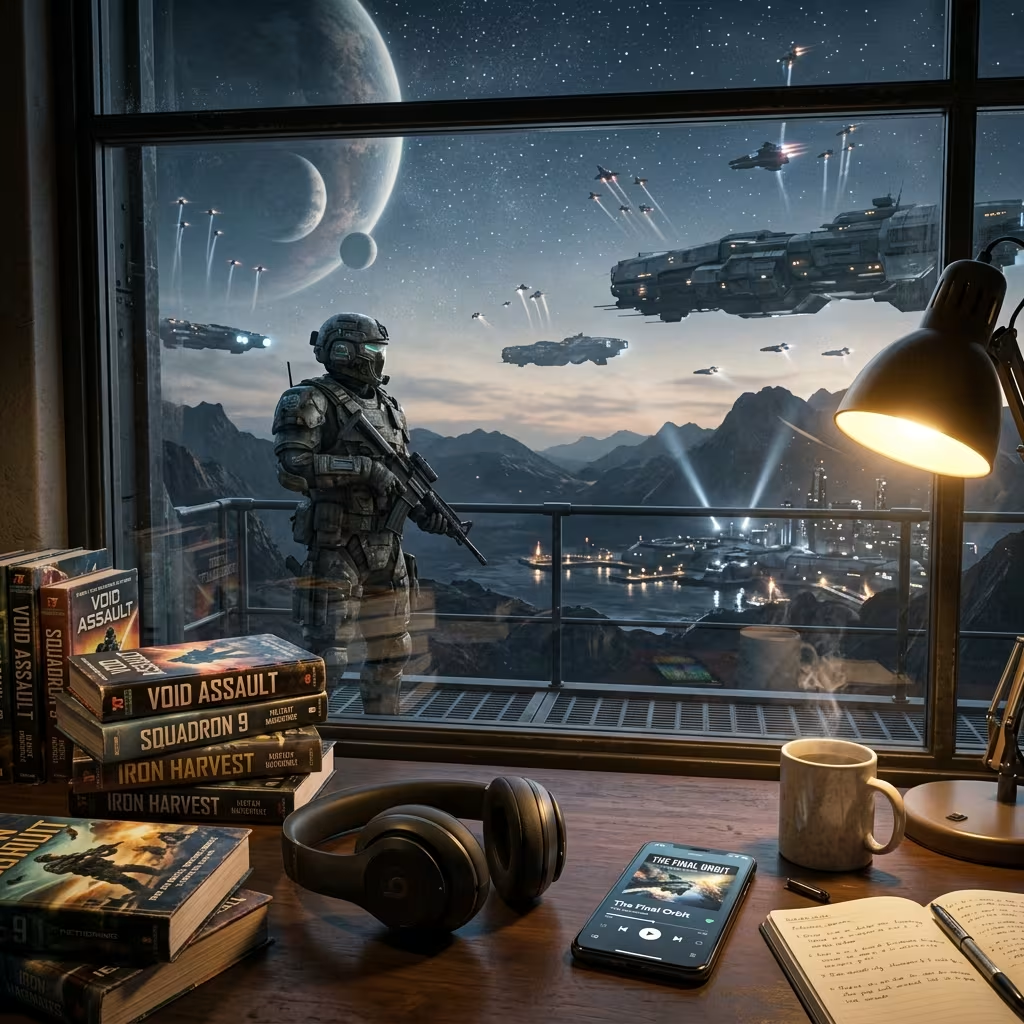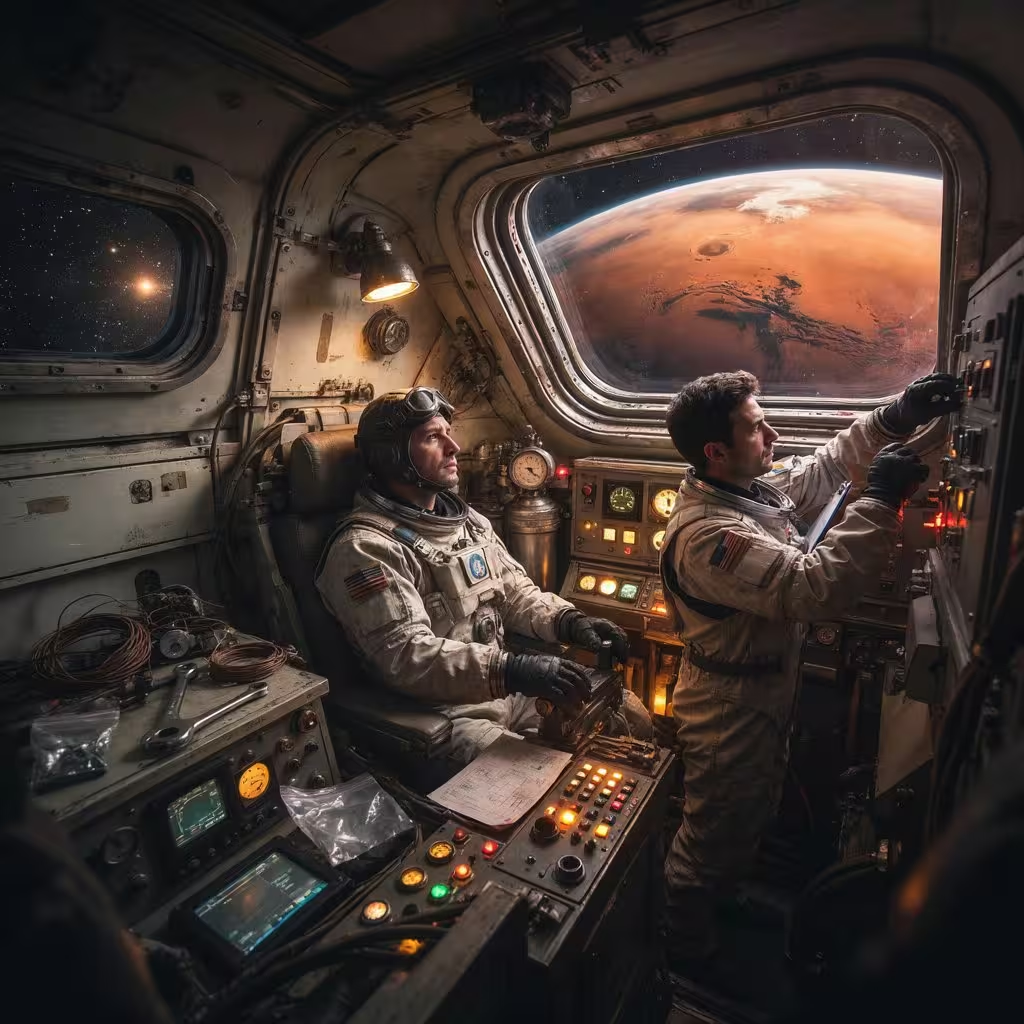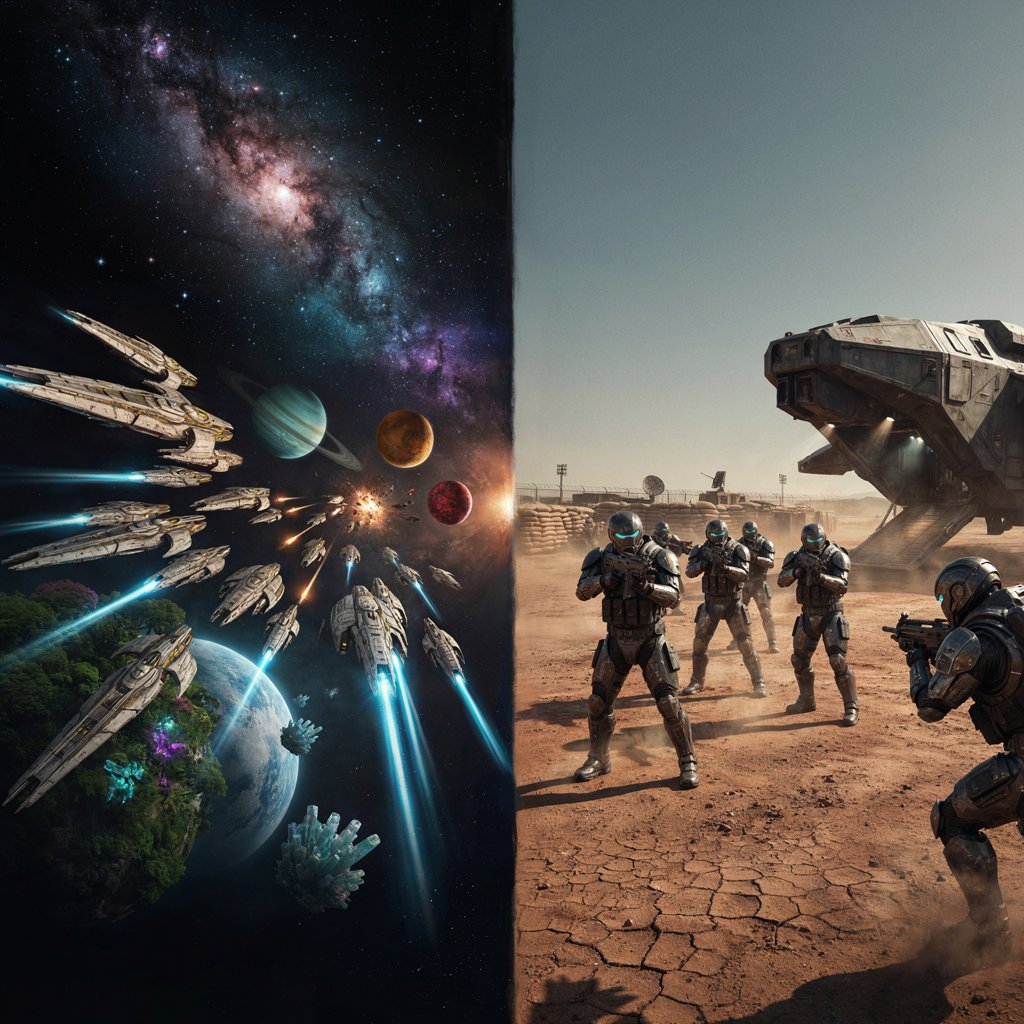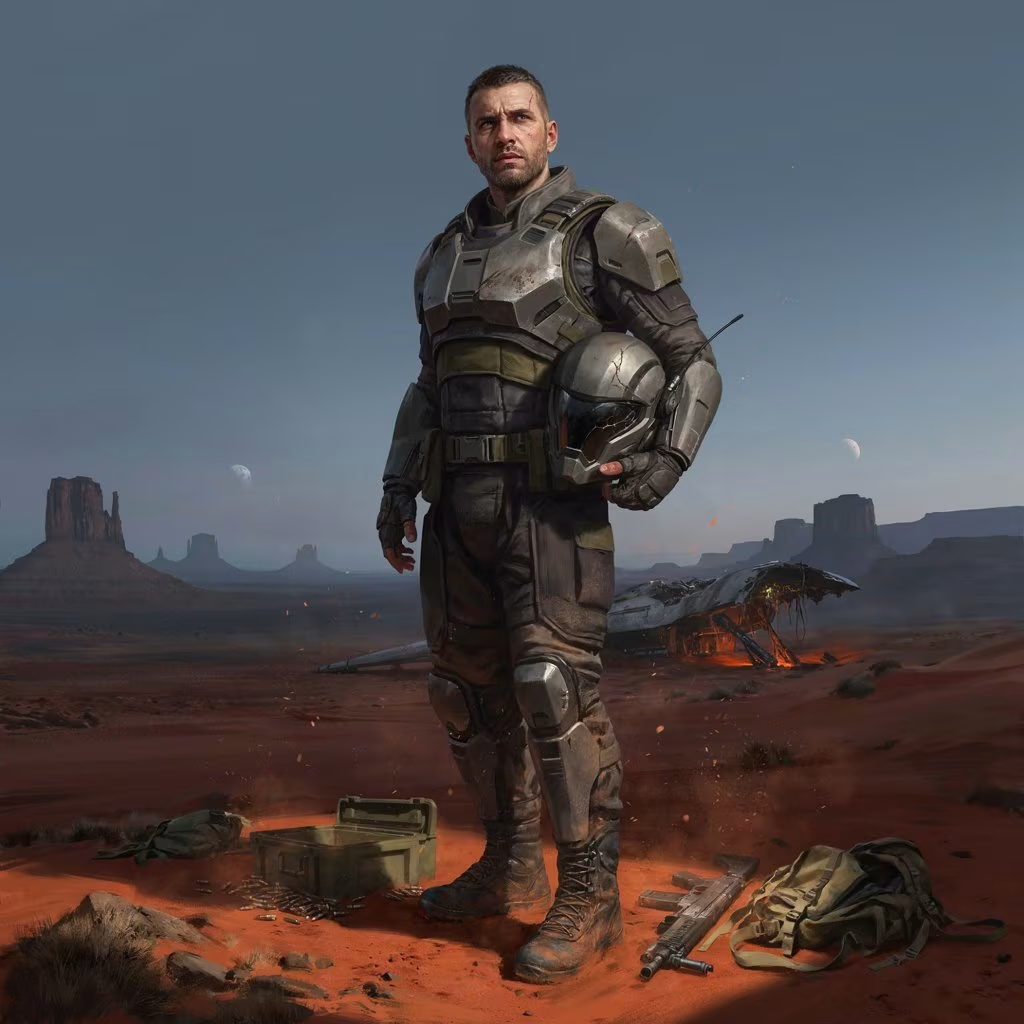
A soldier in a science fiction story can fight aliens, travel across distant planets, use advanced weapons, or wear powerful armor.
But none of these things automatically make the character interesting. Readers remember soldiers because of who they are, what they believe, and how their experiences change them.
A great soldier character should feel like a real person living in an extraordinary world. They can be brave but still afraid of complex situations, loyal while questioning the orders they receive and skilled but still make mistakes.
When these human qualities meet futuristic technology and dangerous missions, they create a character readers can understand and care about.
What Defines a Soldier Character in Science Fiction?
A science fiction soldier usually serves an army, space force, planetary government, resistance group, or another military organization. Their job may involve defending a colony, fighting an alien species, protecting important technology, or surviving a war between planets.
However, a soldier should be more than someone who carries a weapon. Their military role gives them a place in the story, but their personality gives readers a reason to follow them.
For example, two soldiers might have the same rank and training, yet one may be calm and protective while the other is reckless and ambitious.
The best characters also face problems that go beyond combat. They may have to choose between following orders and doing what they believe is right. These choices reveal their values and make the character feel real.
The Essential Traits of a Great Sci-Fi Soldier
A strong soldier character needs qualities that make sense for their role while also giving them personality. Courage, discipline, loyalty, and quick thinking are useful traits, but they become more interesting when they come with weaknesses or personal struggles.
A Strong Sense of Duty and Purpose
A soldier should have a reason for fighting. Maybe they want to protect their family, defend their home planet, repay someone who saved them, or stop a war from destroying innocent people.
Purpose gives their actions meaning. If a character risks their life during a dangerous mission, readers should understand why the risk matters to them and whats the story behind taking that risk. Their reason for serving can also change as the story develops.
For instance, a soldier might begin by believing that their army is always right. After seeing the damage caused by war, they may start questioning that belief. This creates a natural source of conflict and gives the character room to grow.
Strength Balanced by Vulnerability
A soldier who never feels fear, sadness, or doubt can quickly become boring. Real people have weaknesses, and fictional soldiers should have them too.
A character might be physically strong but struggle with guilt after losing a teammate. Another might be an excellent leader but fear making another bad decision. These weaknesses do not make the character less heroic. In many cases, they make the character more believable.
Vulnerability also helps readers connect with the character. We may not understand what it feels like to fight on another planet, but we can understand fear, friendship, loss, and regret.
Adaptability Under Pressure
Science fiction can place soldiers in situations that ordinary military stories cannot. A soldier may land on an unknown planet, face an unfamiliar alien species, lose communication with their team, or discover that their technology no longer works.
A good soldier does not always have the perfect answer. Instead, they learn, observe, and adjust. Their ability to think clearly when plans fail can become one of their most important strengths.
Giving Your Soldier Character a Compelling Backstory
A character’s past helps explain who they are today. You do not need to describe every year of their life, but readers should understand the important experiences that shaped them.
Life Before the Battlefield
Think about who the soldier was before joining the military. Were they a farmer on a distant colony? A student who wanted to explore space? Someone raised in a military family? Perhaps they never wanted to become a soldier but joined after their home was attacked.
These details can make the character more interesting because they show that they had a life beyond war.
A former engineer, for example, might approach combat differently from someone trained from childhood to fight. Their old skills could even become useful during missions.
Experiences That Changed Them
Important events should leave a mark on the character. Losing a close friend, surviving a failed mission, discovering a government secret, or being betrayed by a trusted commander can change how a soldier sees the world.
The key is to show the effect of these events instead of simply listing them. If a soldier lost their team in the past, perhaps they now struggle to trust new teammates. That history can influence future choices and create meaningful scenes.
Creating Conflict Beyond the Battlefield
Good science fiction does not need to make every problem about defeating an enemy. Some of the strongest conflicts happen inside the soldier’s mind.
A soldier may receive an order that could save thousands of people but also put their own team in danger. Should they follow the order or disobey it? Another character might discover that the enemy they were taught to hate is not as dangerous as they were told.
These situations create difficult choices. They also show readers what the soldier truly believes.
Internal conflict can be just as powerful. A character might wonder whether they are still the same person after years of fighting. They may want peace but feel lost without the structure of military life. These struggles add emotional depth without requiring another battle scene.
Building a Believable Military Role in a Sci-Fi World
Even in a fictional future, military organizations need rules and structure. Readers should have a basic idea of the soldier’s rank, duties, training, and place within the larger organization.
You do not need to explain every military rule. A few clear details are usually enough. A squad leader might be responsible for protecting six soldiers, while a specialist handles drones or repairs advanced equipment.
Technology should also affect how soldiers work. If soldiers have powerful transmission systems, artificial intelligence, or advanced armor, those tools should change their tactics and responsibilities.
The world should feel connected. A futuristic weapon should not exist simply because it sounds impressive. Consider how it affects training, strategy, leadership, and everyday life.
Making the Soldier Feel Human
Even the toughest soldier needs moments that have nothing to do with fighting. These moments give readers a chance to see the person behind the uniform.
Relationships With Fellow Soldiers
Friendships, rivalries, and mentorships can reveal different sides of a soldier. A serious commander may become playful around an old friend. A confident soldier may become nervous when trying to impress a respected mentor.
Squad relationships are especially useful because soldiers depend on one another. Trust can grow slowly, break after a mistake, and become stronger after characters face danger together.
These relationships also make losses more meaningful. If readers know and care about a teammate, their absence can affect both the soldier and the audience.
Personal Goals Outside the Mission
A soldier should have dreams beyond just completing the given orders. Maybe they want to return home, rebuild their family, explore another world, or leave the military after the war.
These goals remind readers that the character has a future they care about. They also create stronger tension when missions threaten that future.
Using Science Fiction to Make the Character Stand Out
Science fiction gives writers many ways to make a soldier unique. Advanced technology can affect both their abilities and their identity.
A soldier might use a robotic arm after an injury, communicate through a neural device, or rely on an AI partner during missions. Perhaps their body has been genetically modified, making them stronger but creating unexpected side effects.
The most interesting sci-fi elements are connected to the character. Technology might solve one problem while creating another. An enhanced soldier may become powerful but worry that they are losing their humanity.
Alien cultures can work in the same way. A soldier who once viewed an alien species as an enemy may slowly discover that its members have families, fears, and hopes just like humans.
When futuristic ideas affect a character’s choices, relationships, and beliefs, they become part of the story rather than simple decoration.
Common Mistakes When Writing a Sci-Fi Soldier Character
Even a promising character can become flat if the writing relies on familiar ideas. Avoid making your soldier perfect, emotionless, or unbeatable.
Some common problems include:
- Giving the character no weaknesses or meaningful fears.
- Making every problem easy because the soldier has advanced technology.
- Focusing so much on combat that personality disappears.
- Giving the soldier a tragic past without showing how it affects them.
- Making every military character sound and behave the same.
- Adding futuristic technology without considering its effect on the story.
A great soldier character should face challenges they cannot solve with strength alone. Sometimes the most important victory comes from making a difficult choice, trusting another person, or admitting that they were wrong.
How to Create a Memorable Soldier Character in Science Fiction
Creating a strong character becomes easier when you build them step by step. Start with their role, then think about the person behind that role.
First, decide what the soldier does and why they joined the military. Then give them a clear motivation, along with strengths and weaknesses. Build a short but meaningful backstory and introduce relationships that matter to them.
Next, connect the character to your science fiction world. Consider how futuristic weapons, alien societies, artificial intelligence, or space travel affect their life.
At last, give the soldier a character arc. They should not end the story exactly as they began. Perhaps they become more trusting, learn to question authority, overcome guilt, or discover a new reason to fight.
The goal is not to create the strongest soldier. It is to create someone readers want to understand.
Conclusions
A great soldier character is not memorable simply because they can win battles. The character becomes memorable when readers understand what they fight for, what they fear, and what they hope to protect.
Give your soldier a clear purpose in the story, believable weaknesses, meaningful relationships, and a past that influences their choices. Then use the science fiction setting to push them toward change to challenge their beliefs
Whether your character is defending a distant colony or fighting across an alien world, their humanity should remain at the center of the story. When readers care about the person behind the armor, even the biggest space battle becomes more meaningful.