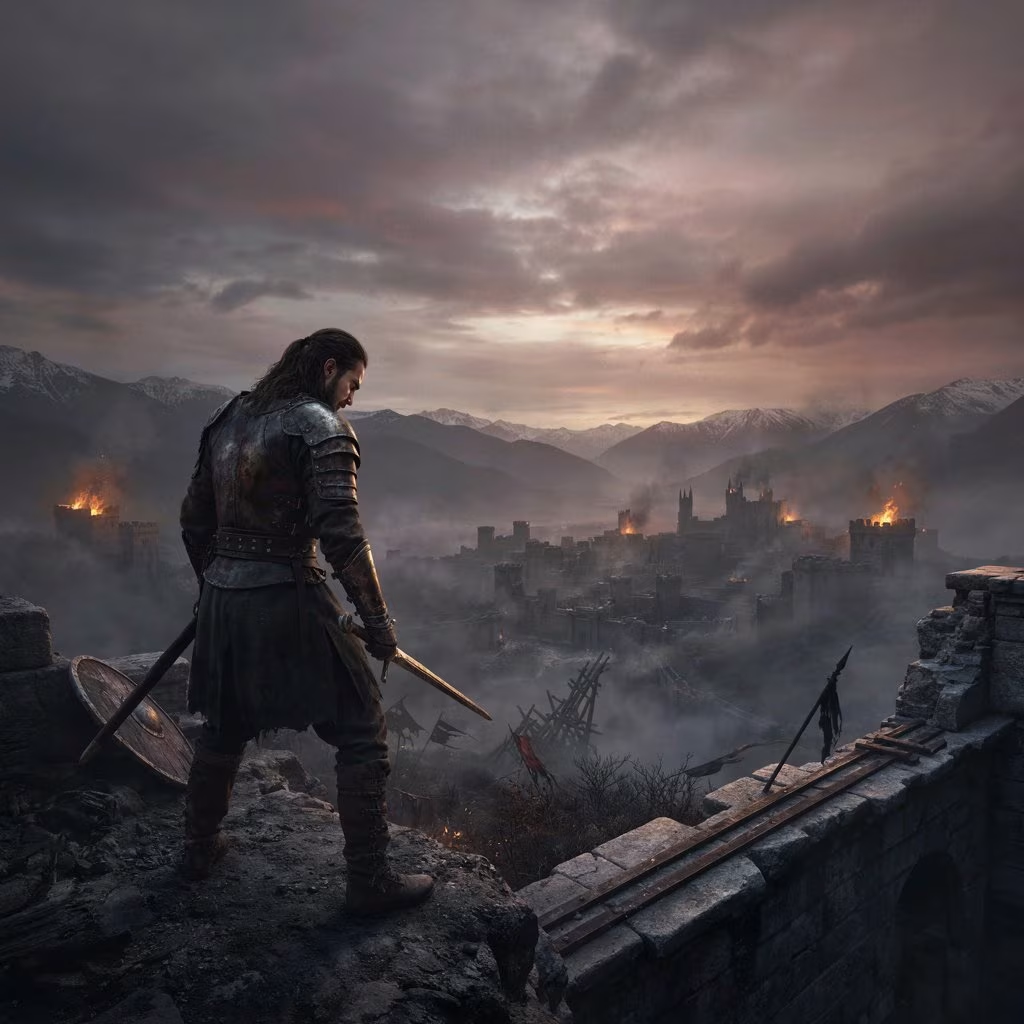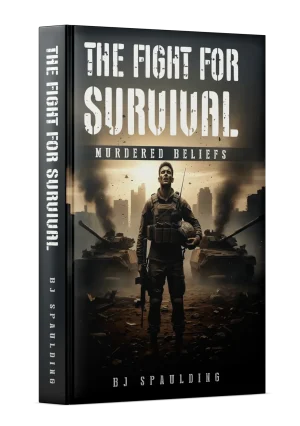
Some heroes have a whole team behind them. While others stand alone, they may save the day, solve difficult problems, or protect people they care about, but deep down, they feel lost, misunderstood, or alone.
These lonely heroes often leave a stronger impression on readers than characters who seem to have everything figured out.
Why? Because loneliness is something many people understand. A reader may never fight a monster or travel across a fantasy world, but they may know what it feels like to be left out, misunderstood, or unsure where they belong.
That emotional connection is what makes the lonely hero so powerful. Their struggles feel real, their victories feel earned, and their search for connection gives readers something to hope for.
What Makes a Hero Feel Lonely?
A lonely hero is not simply a character who spends a lot of time by themselves. Their loneliness usually goes deeper than that. They may be surrounded by people and still feel like nobody truly understands them.
Some heroes become lonely because they have lost someone important. Others have been rejected, betrayed, or forced to leave their homes.
Some choose to stay alone because they are afraid of getting hurt again. A hero might even push people away because they believe they must handle every problem on their own.
Loneliness can also come from being different. A character may have unusual abilities, beliefs, responsibilities, or experiences that make it difficult to connect with others. This creates an emotional distance between the hero and the people around them.
That difference matters because it gives the character an inner problem to solve alongside the main story. The hero may need to defeat an enemy, but they may also need to learn how to trust someone, accept help, or allow others into their life.
Why Loneliness Makes Heroes Feel More Human
Perfect heroes can be fun to read about, but they are not always easy to relate to. A character who never makes mistakes and never feels afraid can seem far removed from real life.
Lonely heroes are often different. They have doubts. They make mistakes. They hide their feelings. They may act strong while quietly struggling inside.
These flaws make them feel human.
For example, imagine a hero who refuses help because they believe asking for help is a sign of weakness. At first, their decision may seem frustrating.
But as readers learn why they behave this way, they may begin to understand the character. Perhaps the hero once trusted someone and was betrayed. Perhaps they grew up believing they had to solve every problem alone.
Suddenly, the hero’s behavior has meaning.
This emotional depth is one reason readers connect with fictional characters. They do not need to agree with every decision a hero makes. They simply need to understand where that decision comes from.
Readers See Their Own Struggles in Lonely Heroes
One of the biggest reasons readers connect with lonely heroes is that their emotions can feel familiar.
A reader might recognize the feeling of sitting alone while everyone else seems to have friends. Someone else might understand what it feels like to be different from their classmates, coworkers, or family members. Another reader may connect with a hero who is afraid to trust people after being hurt.
The story gives these feelings a face and a voice.
This does not mean readers have to share the hero’s exact situation. Emotional experiences can create a connection even when the circumstances are completely different.
For instance, a fantasy hero might lose their entire kingdom. A reader may never experience anything like that, but they can still understand grief, fear, responsibility, or loneliness. The setting may be fictional, but the emotions are real.
That is where relatable characters become powerful. Readers often remember how a character made them feel more than the exact details of the plot.
Lonely Heroes Often Hide More Than They Show
Many memorable lonely heroes have two sides.
On the outside, they may appear brave, confident, or even cold. On the inside, they may be carrying fear, sadness, guilt, or a strong desire to belong.
This contrast makes readers curious.
A hero who immediately explains every feeling leaves little room for discovery. But when a character hides their pain, readers want to understand what is happening beneath the surface.
Imagine a hero who always jokes when things become serious. At first, the jokes may simply seem funny. Later, readers discover that humor is how the character avoids talking about painful memories. A small behavior suddenly becomes an important part of the character’s story.
These moments create emotional depth. They also allow readers to discover the hero slowly, almost like getting to know a real person.
The best stories do not always tell readers exactly what a character feels. Sometimes they show it through actions, choices, silence, and small changes in behavior.
The Appeal of Watching a Lonely Hero Find Connection
A lonely hero’s story becomes especially meaningful when they slowly begin to connect with others.
This does not always mean finding romance. Connection can come from friendship, family, teamwork, mentorship, or simply finding one person who understands them.
The important part is change.
A hero who starts the story believing, “I don’t need anyone,” may eventually realize that trusting others does not make them weak. A character who believes they will always be alone may discover that someone genuinely cares about them.
Readers enjoy this journey because it offers emotional hope.
The connection does not have to happen quickly. In fact, slow development often makes it more believable. A guarded character should not suddenly trust everyone after one conversation.
Small moments can be more powerful just by accepting help, sharing a secret, apologizing, or choosing to stay instead of walking away.
These moments show that the hero is changing.
How Struggle Makes a Lonely Hero More Inspiring
Lonely heroes often face challenges that test more than their physical strength. They must deal with their own thoughts and emotions while handling the problems around them.
That struggle can make them inspiring.
Readers may admire a hero who keeps moving forward even when they feel afraid or alone. The character does not need to be fearless. In many cases, it is more meaningful when the hero feels fear but continues anyway.
This creates a simple but powerful message, that being strong does not mean never struggling. It means continuing even when things are difficult.
A lonely hero may fail several times before finding the courage to trust someone. They may make poor choices and have to face the consequences. They may even reach a point where giving up seems easier than continuing.
When they choose to keep going, readers become emotionally invested in the outcome.
The hero’s success feels earned because readers have seen the struggle behind it.
Why Lonely Heroes Create Strong Emotional Bonds With Readers
A strong emotional bond forms when readers care about what happens to a character. Lonely heroes can create this bond because their needs often go beyond winning a battle or completing a mission.
They want something deeply human, to be understood, accepted, trusted, or loved.
Readers begin to hope that the hero will find what they are missing.
This creates empathy. Even when a hero makes a bad choice, readers may continue supporting them because they understand the pain behind it. The character becomes more than a person moving through a plot. Their emotional journey becomes part of the reason readers keep turning pages.
This is also why character development matters so much. A lonely hero who remains exactly the same throughout a story may become predictable. But a character who slowly learns from their experiences gives readers something to follow.
The emotional journey can sometimes be just as important as the adventure itself.
What Writers Can Learn from the Lonely Hero Archetype
Writers can learn a lot from lonely heroes. The key is not simply to make a character sad or isolated. Loneliness should have a purpose in the story.
A good lonely hero has an emotional reason for their behavior. Their loneliness affects their choices, relationships, and goals. Most importantly, the character should have room to grow.
Writers can make this archetype stronger by giving the hero meaningful relationships and realistic flaws. A character should not be lonely in every scene. Moments of humor, friendship, action, and hope can create balance.
It also helps to show loneliness instead of constantly explaining it. A hero sitting quietly after everyone else leaves can say more than a paragraph explaining that they feel alone.
The goal is to let readers experience the character’s emotions rather than simply being told about them.
Examples of Lonely Hero Traits Readers Remember
Different lonely heroes can have very different personalities, but certain traits often make them memorable:
- Independence: They prefer solving problems on their own.
- Emotional vulnerability: They may hide their feelings but still have deep emotions.
- A difficult past: Previous experiences may explain why they struggle to trust others.
- Feeling misunderstood: They believe people do not see who they really are.
- Strong personal values: They may follow their beliefs even when nobody supports them.
- A desire for connection: Beneath their independence, they may deeply want companionship.
- Resilience: They continue moving forward despite setbacks.
These traits work well because they create tension. A hero may want friendship but be afraid to trust. They may want help but refuse to ask for it. They may want to belong but keep pushing people away.
That inner conflict keeps readers interested.
Why Lonely Heroes Stay with Us After the Story Ends
Some fictional characters disappear from our thoughts as soon as we finish a book. Others stay with us for years.
Lonely heroes often belong to the second group because they represent emotions that do not disappear when a story ends.
A reader may think about a character who learned to trust again. They may remember a hero who finally found a place where they belonged. They may even see parts of themselves in a character who once felt completely alone.
That is the lasting power of a memorable hero.
The best lonely heroes also remind readers that loneliness does not have to be permanent. A person can change. Relationships can grow. Trust can return. A difficult past does not have to control the entire future.
This gives the character’s journey meaning beyond the fictional world.
Thoughts on the Connection Between Readers and Lonely Heroes
Readers connect with lonely heroes because these characters often reflect real human emotions. They may be brave and powerful, but they also experience fear, doubt, loss, rejection, and the need to belong.
Their imperfections make them relatable. Their struggles create empathy. And their journey toward friendship, trust, or acceptance gives readers hope.
A lonely hero does not need to be completely alone to feel lonely. What matters is the emotional distance between the character and the people around them. When a story explores that distance honestly, readers can see something familiar in the hero.
That is why lonely heroes remain such a powerful character type. They remind us that even the strongest people can need someone beside them and that finding connection can be one of the greatest victories of all.