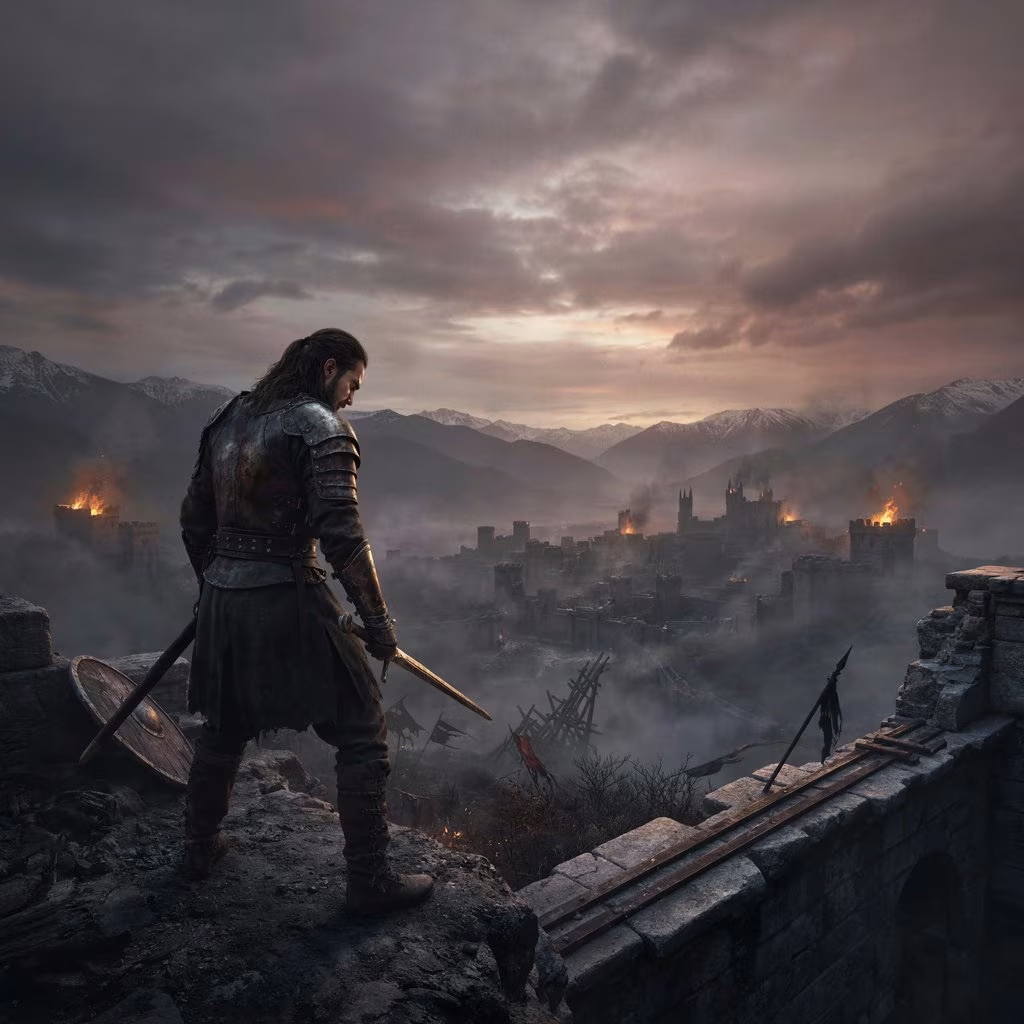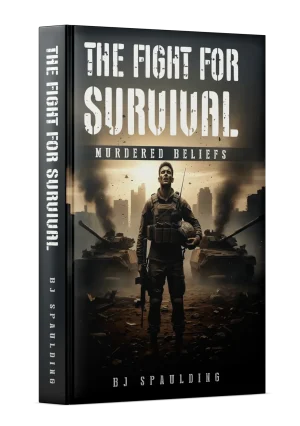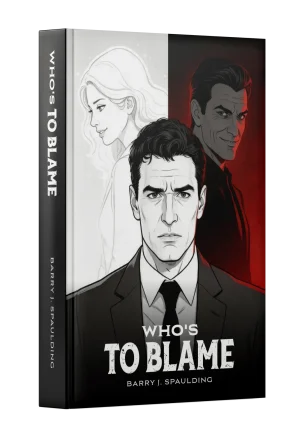
Stories can take us to distant planets, magical worlds, or places that look just like our own. Yet the stories we remember most often deal with feelings we already understand. There are three powerful themes which include honor, grief, and revenge that continue to shape modern fiction because they reflect real human struggles.
A character may want to take revenge after being betrayed or risk everything to protect a promise or stand by their values. Some may struggle to accept the loss of their loved ones. These choices create tension because there is rarely one perfect answer.
Modern writers use these themes to build characters, stories that make readers think and create meaningful conflicts. Whether the setting is a fantasy kingdom, modern workplace, or a family home, these emotions can make fictional events feel personal and real.
Understanding the Power of Revenge, Grief, and Honor in Stories
Revenge, grief, and honour give characters strong reasons to act. They are not simply emotions or ideas added to make a story more dramatic. They can shape a character’s decisions from beginning to end.
For example, a character who loses a family member may become angry at the person responsible. That anger can create a desire for revenge. At the same time, the character may remember a promise they made to their family. Suddenly, they must choose between revenge and the values they want to protect.
This type of conflict keeps readers interested because the character has something important to lose either way.
Why These Themes Still Connect with Modern Readers
People still experience loss, unfair treatment, loyalty, anger, and difficult moral choices. Technology and lifestyles may change, but these basic human experiences remain familiar.
That is why a story written today can explore the same emotions found in much older tales. A modern character might deal with betrayal through social media, family conflict, or workplace competition. While an older story might use a battlefield or royal court. The setting changes, but the emotional problem can remain the same.
Even a story involving these themes if its characters face betrayal, ambition, loss, or questions about what is right. The subject matter may be modern, but the emotions behind the story can be timeless.
How Strong Emotions Shape Fictional Characters
Strong emotions help characters feel like real people. A character who is always calm and certain can become predictable. A character who struggles with loyalty, anger, sadness, and fear has more room to grow.
Writers can also use these emotions to show character development. Someone who begins a story believing revenge is the only answer may eventually understand the value of forgiveness. Someone who sees honor as never showing weakness may learn that asking for help can also require courage.
These changes make a character’s journey more meaningful and give readers a reason to care about what happens next.
Revenge as a Powerful Force in Modern Fiction
Revenge is one of the oldest sources of conflict in storytelling, and it remains popular because it creates immediate emotional tension. A character feels wronged and wants to make things right, but their idea of “right” may involve hurting the person who caused the pain.
Modern fiction often uses revenge to explore difficult questions. Is revenge the same as justice? Can hurting someone bring peace? What happens when revenge changes the person seeking it?
These questions can turn a simple conflict into a much deeper story.
Why Characters Seek Revenge
Characters usually seek revenge because they believe someone has caused serious harm. They may have watched someone escape punishment, lost their loved one, had their reputation damaged, or been betrayed.
The desire for revenge can feel understandable, even when the character’s actions are not. This is important because good fiction does not need characters to be completely right or wrong.
Consider a character who discovers that someone lied about them and destroyed their reputation. At first, they may simply want the truth to come out. But after being ignored, they may decide to hurt the other person in return. The problem becomes bigger as anger takes control.
The Difference Between Justice and Revenge
Justice and revenge can seem similar, but they usually have different goals. Justice focuses on restoring balance and fair consequences, whereas revenge is more personal and often focuses on making another person suffer.
A character may believe they are seeking justice when they are really driven by anger. This confusion can create an interesting moral conflict.
Writers do not always need to tell readers which choice is correct. Instead, they can show the consequences and allow readers to decide what they believe.
How Revenge Can Change a Character
Revenge can slowly change someone. A character who once cared about friends and family may become so focused on their goal that they stop noticing the people around them.
This transformation can be both sad and fascinating. Readers may begin by supporting the character and later question what that character has become.
The strongest revenge stories often show that revenge has a price. Even if the character succeeds, they may lose relationships, peace, trust, or a part of themselves along the way.
When Revenge Creates Conflict and Unexpected Consequences
Revenge rarely follows a straight path. A character may discover that they misunderstood what happened. They may hurt an innocent person or create a new enemy while trying to defeat an old one.
These consequences make stories more realistic. One choice can lead to another, and a character may eventually realize that the original problem has become much larger.
That is why revenge works so well as a storytelling device. It creates action, but it also creates questions about responsibility and consequences.
Grief and the Human Side of Fiction
Grief brings a different kind of power to fiction. Revenge often pushes characters into action, while grief can slow a story down and show what is happening inside a person’s heart.
Grief can follow death, separation, betrayal, failure, or the loss of an important dream. It does not always appear as sadness. It can also show itself through anger, silence, confusion, fear, or a strong need to stay busy.
How Loss Changes the Way Characters See the World
After a major loss, ordinary things can suddenly carry new meaning. A character might hear an old song and remember someone they loved. They might avoid a favorite restaurant because it brings back painful memories.
Small details like these can make fictional grief feel real. Writers do not always need dramatic scenes to show pain. Sometimes a quiet moment says much more.
A character might continue working, going to school, or caring for others while privately struggling with loss. This shows readers that grief can exist alongside everyday life.
Different Ways Characters Experience Grief
People do not all grieve in the same way, and fictional characters should not either. One character may talk about their feelings. Another may refuse to discuss them. Someone else may become angry or throw themselves into work.
Showing different responses makes characters feel more realistic. It also reminds readers that people should not always be judged for grieving differently.
A character who seems calm may still be deeply hurt. Another who appears angry may actually be struggling with sadness underneath.
How Grief Can Lead to Growth and Healing
Good stories do not always treat grief as something that simply disappears. Instead, characters may learn how to carry their memories while moving forward.
A grieving character might reconnect with friends, return to an old hobby, or finally talk about what happened. These small steps can show growth without pretending that the loss no longer matters.
Healing in fiction is often most believable when the character still remembers the past. They simply learn that remembering someone and enjoying life can exist together.
Why Readers Relate to Characters Who Are Grieving
Readers connect with grieving characters because loss is a universal human experience. Even when a reader has not faced the exact situation in a story, they may understand loneliness, change, fear, or missing someone.
A well-written grieving character can also build empathy. Readers may understand why another person behaves differently after a painful experience.
This emotional connection can make a story stay with readers long after they finish it.
The Meaning of Honor in Modern Stories
Honor is about the values a character believes are worth protecting. It might mean keeping a promise, telling the truth, protecting family, showing loyalty, or standing up for someone who needs help.
Modern fiction often makes honor complicated rather than simple. A character may have to choose between two values that are both important.
What Honor Means to Different Characters
Honor can mean different things to different people. A soldier might connect it with loyalty and duty. A parent might connect it with protecting their children. A friend might believe honor means keeping a promise.
These differences can create conflict between characters without making either person completely evil or completely right.
When readers understand both sides, the story becomes more interesting because the conflict feels like a genuine disagreement about values.
Honor, Loyalty, and Personal Values
Honor and loyalty often work together. Characters may feel responsible for their families, friends, communities, or teams.
However, loyalty can become complicated when someone close to a character does something wrong. Should the character protect that person or tell the truth?
This question can reveal a character’s deepest values. It also shows why honor is more than simply following rules. Sometimes it means deciding which principle matters most.
When Honor Conflicts With Love or Survival
Stories become especially powerful when honor has a real cost. A character might have to choose between keeping a promise and protecting someone they love.
Imagine a person who promised never to reveal an important secret. Later, they discover that keeping the secret could seriously hurt another person. Breaking the promise may feel wrong, but keeping it may feel even worse.
These difficult choices make readers stop and think about what they would do.
How Characters Redefine Honor Through Their Choices
Characters can change their understanding of honor as they gain experience. Someone may begin by thinking honor means being strong at all times. Later, they may discover that admitting mistakes is a greater sign of strength.
This kind of growth gives a character emotional depth. Instead of simply following an old belief, they learn to question it and decide what they truly value
How Revenge, Grief, and Honor Work Together
The real power of these themes often appears when they overlap. Grief can create anger. Anger can lead to revenge. Honor can then force a character to question whether revenge is worth the cost.
This connection creates a natural emotional journey. Each feeling can influence the next decision.
How Grief Can Lead to Revenge
A grieving character may believe someone is responsible for their loss. That belief can turn sadness into anger and anger into a desire for revenge.
The writer must make this emotional change believable. Readers should understand why the character feels this way, even if they disagree with what the character eventually does.
How Honor Can Challenge a Desire for Revenge
Honor can become the voice that tells a character to stop. A character may want revenge but remember a promise, a lesson, or a value that prevents them from crossing a certain line.
This creates one of the most interesting questions in fiction: What happens when what we want conflicts with what we believe is right?
Even a modern story can use this type of conflict. A character may face competition and have an opportunity to use dishonest tactics, but their personal values may stop them.
The Difficult Choices Created by These Three Themes
When grief, revenge, and honor collide, characters may have to make difficult choices in certain situations. They may have to decide between forgiveness and punishment, anger and peace or loyalty and truth.
The best stories do not rush these decisions. They allow characters to struggle, make mistakes, and face the results of their choices.
Why These Themes Make Characters More Realistic
Real people often have conflicting feelings, and fictional characters should too. Someone can love a person and still feel angry with them. Someone can want justice while being afraid of the consequences.
Showing Character Strengths and Weaknesses
Each theme can reveal both strengths and weaknesses. Grief may reveal vulnerability but also courage. Revenge may show determination but also anger. Honor may show strong values but sometimes lead to stubborn decisions.
Creating Moral Questions Without Easy Answers
Good stories often make readers think instead of telling them what to believe.
A character might have two choices, and both could cause harm. One option may protect their family but hurt an innocent person. Another may protect an innocent person but put someone they love at risk.
These situations create meaningful questions and encourage readers to consider their own values.
Making Fictional Conflicts Feel Personal
Readers care about conflicts when they understand why something matters to a character. A fight over a meaningless object will not have the same emotional effect as a fight over family, identity, love, or personal values.
That is why these themes are so useful. They turn ordinary events into meaningful choices.
Why Revenge, Grief, and Honor Still Matter Today
Modern fiction may feature smartphones, social media, changing careers, and new technology, but people still experience many of the same emotions.
Revenge, grief, and honor help writers explore how people respond when life becomes difficult. They also give readers a safe way to think about choices they might face themselves.
Reflecting Real Human Emotions and Experiences
These themes reflect experiences that exist in every generation. People lose loved ones, experience betrayal, protect the people they care about, and struggle to decide what is right.
Helping Readers Understand Different Perspectives
Fiction can help readers see situations from another person’s point of view. A character may make a decision readers dislike, but the story can still explain the fear, grief, or beliefs behind it.
Understanding does not mean agreeing. It simply means seeing why someone thinks or feels a certain way.
This can make fiction valuable beyond entertainment. Stories can encourage readers to think with more patience and empathy.
Creating Stories That Stay with Readers
The most memorable stories often leave readers with following questions.
- Was revenge worth the cost?
- Could forgiveness have changed the outcome?
- What does honor really mean?
- Can someone heal without forgetting?
There may be no single answer to these questions. That is exactly why they remain powerful.
Summary
Revenge, grief, and honor continue to matter because they explore some of the most difficult parts of being human. They give characters powerful reasons to act, create conflicts that feel meaningful, and encourage readers to question their own ideas about right and wrong.
These themes can fit almost any type of modern story. They can appear in fantasy, romance, mystery, and family drama.
The best stories do not use revenge, grief, or honor simply to create drama. They use them to show how people change when life tests their beliefs. When readers see characters struggle, make mistakes, and grow, the story becomes more than something to read. It becomes something to remember.